

In the realm of business maintenance, efficient plumbing solutions are crucial for seamless operations. Whether it’s ensuring your water heater is functioning correctly or addressing general plumbing issues, having reliable services is essential for maintaining a comfortable and safe environment. This article delves into the importance of business plumbing and the significance of timely water heater repair, providing insights into maintaining an efficient plumbing system in a commercial setting. Understanding Business Plumbing Needs The Scope of Business Plumbing Business plumbing encompasses a broad range of services designed to address the unique needs of commercial establishments. Unlike residential plumbing, business plumbing involves larger and more complex systems that require specialized expertise. From ensuring proper installation of fixtures to regular maintenance and emergency repairs, a reliable business plumbing service is indispensable for the smooth functioning of any commercial property. Common Plumbing Issues in Businesses Commercial properties often face unique plumbing challenges that can disrupt daily operations. Common issues include clogged drains, leaky faucets, and malfunctioning toilets. These problems not only cause inconvenience but can also lead to significant water wastage and increased utility bills. Regular inspections and maintenance by professional plumbers can prevent these issues from escalating, ensuring a safe and efficient plumbing system. The Importance of Regular Maintenance Preventive Measures Preventive maintenance is key to avoiding major plumbing problems. Regular inspections can identify potential issues before they become costly repairs. Business owners should schedule routine check-ups with professional plumbers to ensure all systems are functioning optimally. This includes inspecting pipes, checking for leaks, and ensuring that all fixtures are in good working condition. Benefits of Professional Plumbing Services Hiring professional plumbing services offers numerous benefits. Professionals have the expertise to handle complex plumbing systems and can provide tailored solutions to meet the specific needs of a business. Additionally, they have access to advanced tools and equipment, ensuring that repairs and installations are done efficiently and effectively. Water Heater Repair: A Critical Component Signs Your Water Heater Needs Repair A functioning water heater is essential for any business, particularly those in the hospitality and healthcare industries. Recognizing the signs that your water heater needs repair can prevent unexpected breakdowns. Common indicators include inconsistent water temperature, strange noises coming from the heater, and discolored water. If any of these signs are present, it is crucial to seek professional water heater repair services immediately. The Impact of a Malfunctioning Water Heater A malfunctioning water heater can significantly disrupt business operations. Inconsistent water temperatures can affect the comfort of clients and employees, while total breakdowns can halt critical activities, especially in businesses that rely heavily on hot water. Timely repairs ensure that the water heater operates efficiently, providing consistent hot water supply and reducing energy consumption. Integrating Efficient Plumbing Solutions Choosing the Right Plumbing Service Selecting the right plumbing service is vital for maintaining an efficient plumbing system. Business owners should look for licensed and experienced plumbers who specialize in commercial plumbing. Checking reviews and seeking recommendations can help in making an informed decision. Long-Term Benefits Investing in quality plumbing services offers long-term benefits. A well-maintained plumbing system reduces the likelihood of emergency repairs, minimizes downtime, and enhances the overall efficiency of the business. Furthermore, regular maintenance and timely repairs can extend the lifespan of plumbing fixtures and systems, leading to cost savings in the long run. Conclusion Efficient plumbing solutions are integral to the smooth operation of any business. Regular maintenance, timely water heater repair, and choosing the right plumbing service can prevent major disruptions and ensure a safe and comfortable environment for both employees and clients. By prioritizing business plumbing needs and addressing issues promptly, businesses can achieve operational efficiency and avoid unnecessary costs.

Achieving Optimal Health: A Guide for All Ages
In today’s fast-paced world, achieving and maintaining good health can seem like an elusive goal. However, with the right approach and lifestyle choices, anyone can enjoy a healthy life regardless of age. This comprehensive guide explores practical steps and strategies that promote overall well-being, ensuring robust health conditions for everyone. 1. Nutrition: Fueling Your Body for Health A cornerstone of good health is nutrition. Consuming a balanced diet rich in fruits, vegetables, lean proteins, and whole grains provides essential nutrients that support bodily functions and boost immunity. Avoiding processed foods and excessive sugar intake can significantly reduce the risk of chronic diseases such as diabetes, heart disease, and obesity. For instance, studies show that diets high in antioxidants and fiber can lower the risk of various cancers, including prostate cancer. 2. Regular Exercise: Strengthening Body and Mind Physical activity is vital for maintaining a healthy weight, strengthening muscles and bones, and promoting cardiovascular health. Engaging in regular exercise releases endorphins, which improve mood and reduce stress levels. For older adults, exercises that focus on balance and flexibility can prevent falls and enhance mobility. Moreover, staying active has been linked to a decreased risk of prostate cancer and can aid in recovery post-surgery. 3. Routine Health Check-ups: Prevention is Key Regular health check-ups and screenings are crucial for early detection of health issues. Prostate cancer, for example, is one of the most common cancers among men, and routine screenings can detect it early when treatment is most effective. Advances in medical technology, such as robotic-assisted prostate cancer surgery, have improved outcomes and reduced recovery times, offering patients a better quality of life post-treatment. 4. Mental Health: Nurturing Inner Well-being Mental health is as important as physical health. Chronic stress and anxiety can weaken the immune system and increase the risk of various illnesses. Seeking support through therapy or counseling can be beneficial for managing stress, anxiety disorders, and conditions like Attention Deficit Hyperactivity Disorder (ADHD). For individuals needing specialized care, convenient online ADHD consultation provide access to qualified professionals from the comfort of home. 5. Quality Sleep: Restoring and Rejuvenating Adequate sleep is essential for overall health and well-being. During sleep, the body repairs tissues, consolidates memories, and regulates hormones. Chronic sleep deprivation has been linked to a higher risk of obesity, diabetes, cardiovascular disease, and impaired immune function. Establishing a regular sleep schedule and creating a relaxing bedtime routine can improve sleep quality and overall health. 6. Social Connections: Enhancing Life Satisfaction Maintaining strong social connections and engaging in meaningful relationships contribute to mental and emotional well-being. Social interaction reduces feelings of loneliness and depression, boosts self-esteem, and promotes a sense of belonging. Whether through community activities, hobbies, or online groups, fostering social connections is vital for a fulfilling life at any age. 7. Mindful Living: Balancing Work and Leisure Finding balance between work, leisure, and relaxation is essential for reducing stress and preventing burnout. Incorporating mindfulness practices such as meditation, yoga, or deep breathing exercises can help manage stress levels and improve overall mental clarity and focus. Taking regular breaks and pursuing hobbies or interests outside of work contribute to a well-rounded and enjoyable life. Conclusion Achieving great health conditions and enjoying a healthy life is within reach for everyone, regardless of age. By prioritizing nutrition, regular exercise, preventive health care, mental health support, quality sleep, social connections, and mindful living, individuals can enhance their overall well-being and longevity. Advances in medical care, such as robotic prostate cancer surgery and online ADHD consultations, further support health maintenance and recovery efforts. Embracing these strategies fosters a lifestyle that promotes vitality, resilience, and a profound sense of well-being throughout life’s journey.

Building a Greener Future: Sustainable Practices for an Eco-Friendly Hom
Understanding the Importance of Sustainable Living In today’s world, sustainability is more than just a buzzword—it’s a critical mindset and lifestyle choice aimed at preserving our planet for future generations. Building an eco-friendly home involves embracing sustainable practices that minimize environmental impact, conserve resources, and promote a healthier, more sustainable way of life. By understanding the importance of sustainable living, you can take meaningful steps towards creating a greener future for yourself and the planet. Reducing Carbon Footprint: Every aspect of modern life, from transportation to energy consumption, contributes to carbon emissions and climate change. By adopting sustainable practices in your home, such as reducing energy consumption, using renewable resources, and minimizing waste, you can significantly reduce your carbon footprint and mitigate the effects of global warming. Conserving Natural Resources: Our planet’s finite resources are under increasing strain due to population growth and unsustainable consumption patterns. Sustainable living involves conserving natural resources such as water, energy, and raw materials through efficient use and responsible stewardship. By minimizing waste and maximizing resource efficiency, we can ensure that future generations have access to the resources they need to thrive. Protecting Biodiversity: Biodiversity loss is a pressing environmental issue driven by habitat destruction, pollution, and climate change. Sustainable living practices aim to protect and preserve biodiversity by minimizing habitat destruction, reducing pollution, and promoting ecosystem health. By supporting sustainable agriculture, protecting natural habitats, and reducing our ecological footprint, we can help safeguard the rich diversity of life on Earth. Promoting Health and Well-being: Sustainable living isn’t just about protecting the planet—it’s also about promoting human health and well-being. By choosing eco-friendly products and materials that are free from harmful chemicals and toxins, you can create a healthier indoor environment for yourself and your family. Sustainable homes are often better insulated, ventilated, and designed to optimize natural light and air circulation, resulting in improved comfort and well-being. Implementing Eco-Friendly Practices in Your Home Energy Efficiency: Improving energy efficiency is one of the most effective ways to reduce your environmental impact and lower your utility bills. Upgrade to energy-efficient appliances, such as ENERGY STAR-rated refrigerators, washing machines, and dishwashers, which use less energy and water than conventional models. Install programmable thermostats, LED light bulbs, and smart power strips to reduce energy consumption and save money on electricity bills. Renewable Energy: Harnessing renewable energy sources such as solar, wind, and geothermal power is a sustainable alternative to fossil fuels that reduces greenhouse gas emissions and dependence on finite resources. Consider installing solar panels on your roof to generate clean, renewable electricity for your home. Invest in a solar water heater or heat pump system to reduce reliance on gas or electric water heaters and lower energy costs. Water Conservation: Conserving water is essential for protecting freshwater ecosystems and ensuring access to clean water for future generations. Install low-flow fixtures, such as toilets, faucets, and showerheads, to reduce water usage without sacrificing performance. Fix leaks promptly and collect rainwater for outdoor irrigation to minimize water waste and save money on utility bills. Sustainable Materials: Choose eco-friendly materials and products that are responsibly sourced, renewable, and non-toxic. Opt for sustainable building materials such as bamboo, reclaimed wood, and recycled glass for flooring, countertops, and cabinetry. Select low-VOC paints, adhesives, and finishes to minimize indoor air pollution and improve indoor air quality. Look for eco-friendly certifications such as Forest Stewardship Council (FSC) certification and GreenGuard certification to ensure that products meet stringent environmental and health standards. Waste Reduction and Recycling: Reduce waste by adopting practices such as recycling, composting, and reducing single-use plastics. Set up recycling bins for paper, plastic, glass, and metal, and compost organic waste such as food scraps and yard debris to divert waste from landfills and enrich soil health. Choose reusable products and packaging whenever possible to minimize waste and reduce your environmental footprint. Green Landscaping: Create a sustainable outdoor space by landscaping with native plants, which require less water, fertilizer, and pesticides than exotic species. Design a rain garden or bioswale to capture and filter stormwater runoff, reducing erosion and pollution of waterways. Use permeable paving materials such as gravel or permeable pavers to allow rainwater to infiltrate the soil and recharge groundwater. By embracing sustainable practices in your home, you can reduce your environmental footprint, conserve resources, and promote a healthier, more sustainable way of life for yourself and future generations. From improving energy efficiency and water conservation to choosing eco-friendly materials and reducing waste, every small step towards sustainability makes a positive impact on the planet.
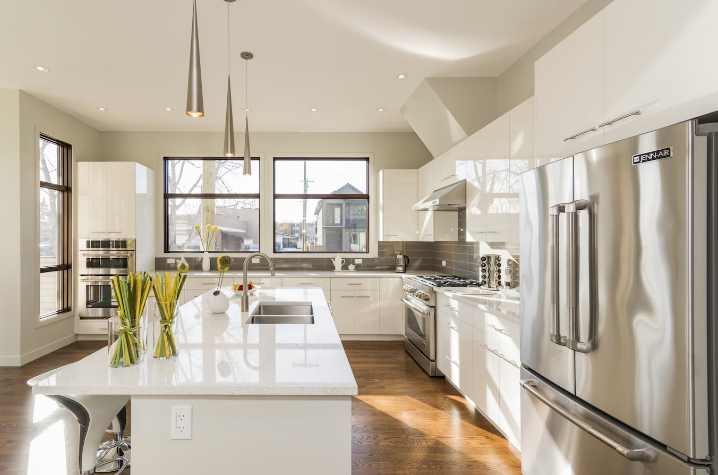
Transforming Your Basement: Unlocking Potential for Functional Space
The Untapped Potential of Basement Renovation Your basement often holds untapped potential, serving as a blank canvas waiting to be transformed into a functional and inviting space. Whether you’re looking to expand your living area, create a home office, or build the ultimate entertainment zone, renovating your basement offers endless possibilities for enhancing both the value and livability of your home. Expanding Living Space: Renovating your basement allows you to maximize the square footage of your home, providing additional living space for your family to enjoy. Transform your basement into a cozy family room, a guest suite for visitors, or a playroom for kids. With proper insulation and moisture control, your basement can become a comfortable and versatile extension of your living area. Creating a Home Office: In today’s remote work environment, having a dedicated home office space is more important than ever. Renovating your basement into a functional home office allows you to separate work life from home life while providing a quiet and productive environment. Customize your office layout with built-in storage, ample lighting, and ergonomic furniture to suit your workflow and preferences. Building an Entertainment Zone: Turn your basement into the ultimate entertainment zone for hosting gatherings and relaxing with family and friends. Design a home theater with comfortable seating, surround sound, and a big-screen TV for movie nights or game days. Incorporate a wet bar or snack area for added convenience, and consider soundproofing walls to minimize noise transfer to the rest of the house. Adding Rental Income: Renovating your basement into a separate living space can also provide the opportunity for rental income. Create a basement apartment or accessory dwelling unit (ADU) with its own entrance, kitchenette, and bathroom to attract potential tenants. Renting out your basement can help offset mortgage costs and increase the overall value of your property Planning and Designing a Functional Basement Space Assessing Structural Integrity: Before embarking on a basement renovation project, it’s essential to assess the structural integrity of the space. Inspect the foundation, walls, and ceiling for signs of water damage, mold, or structural issues that may need to be addressed before starting renovations. Consult with a professional contractor or structural engineer to ensure that your basement is safe and suitable for renovation. Addressing Moisture and Waterproofing: Basements are prone to moisture issues, so it’s crucial to address waterproofing and moisture control measures before finishing the space. Install a sump pump, French drain, or exterior waterproofing membrane to prevent water infiltration and mitigate the risk of flooding. Consider sealing concrete walls and floors with waterproofing coatings or installing a vapor barrier to reduce moisture buildup. Creating Adequate Lighting: Basements typically lack natural light, so it’s essential to plan for adequate lighting during the renovation process. Incorporate a combination of ambient, task, and accent lighting to brighten up the space and create a comfortable atmosphere. Consider recessed lighting, track lighting, or pendant lights for general illumination, supplemented by task lighting for specific areas such as workstations or reading nooks. Maximizing Ceiling Height: Basements often have lower ceiling heights compared to the rest of the house, which can make the space feel cramped and claustrophobic. To maximize ceiling height and create a more open and airy feel, consider removing drop ceilings or bulkheads and exposing structural elements such as beams or ductwork. Paint ceilings and walls in light colors to reflect more light and visually expand the space. Selecting Durable Materials: Choose durable and moisture-resistant materials for basement finishes to withstand the unique challenges of below-grade environments. Opt for waterproof flooring options such as luxury vinyl planks, ceramic tile, or epoxy coatings that can handle moisture and humidity without warping or molding. Use mold-resistant drywall or cement board for walls, and consider installing a subfloor system to provide insulation and prevent moisture buildup. Incorporating Storage Solutions: Make the most of your basement renovation by incorporating ample storage solutions to keep the space organized and clutter-free. Design built-in shelving, cabinets, or closets to store seasonal items, household essentials, and recreational equipment. Utilize under-stair storage or hidden compartments to maximize space efficiency and minimize visual clutter. Ensuring Proper Ventilation: Proper ventilation is essential for maintaining air quality and preventing moisture buildup in the basement. Install exhaust fans or dehumidifiers to remove excess humidity and improve air circulation. Consider adding windows or window wells to bring in natural light and fresh air, and ensure that HVAC systems are properly sized and insulated for basement use. By unlocking the potential of your basement through thoughtful planning and design, you can create a functional and inviting space that enhances your home’s value and livability. Whether you’re expanding living space, creating a home office, or building an entertainment zone, renovating your basement offers endless opportunities for customization and personalization to suit your lifestyle and preferences.
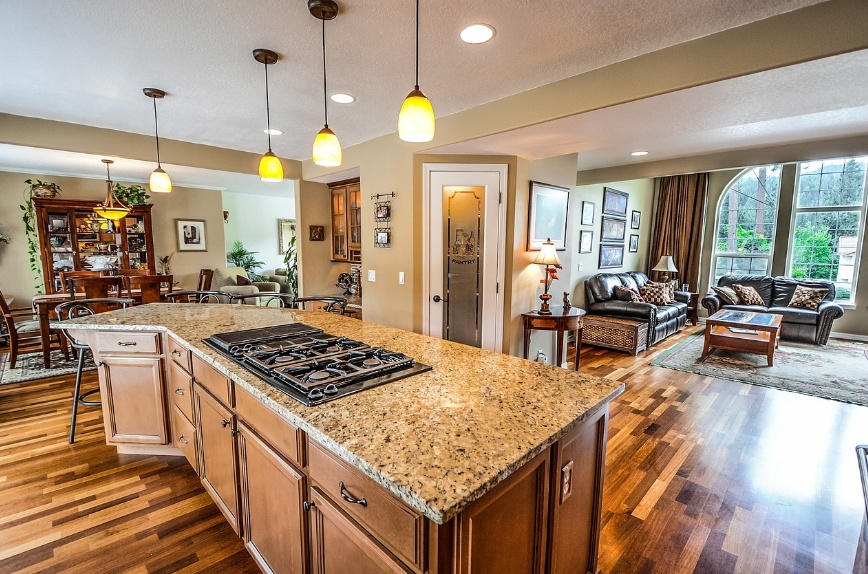
DIY Window Treatments: Elevating Privacy and Style with Creative Solutions
Understanding the Importance of Window Treatments Windows play a crucial role in defining the ambiance and functionality of a room, but without the right treatments, they can feel incomplete. Window treatments not only enhance privacy and control light exposure but also add personality and style to your living space. By understanding the importance of window treatments, you can transform your windows into focal points while elevating the overall aesthetic of your home. Privacy and Light Control: One of the primary functions of window treatments is to provide privacy and control over natural light. Depending on your needs and preferences, you can choose treatments that range from sheer fabrics for soft diffusion of light to opaque materials for complete privacy and light blocking. Consider the orientation of your windows and the desired level of privacy for each room when selecting treatments. Temperature Regulation: Window treatments also play a role in regulating temperature and energy efficiency within your home. Insulating treatments such as curtains or blinds can help minimize heat gain in the summer and heat loss in the winter, reducing energy consumption and utility costs. Look for treatments with thermal lining or adjustable features to maximize comfort and energy savings year-round. Aesthetic Enhancement: Beyond their practical benefits, window treatments serve as decorative accents that enhance the style and ambiance of a room. From elegant draperies to sleek blinds, the choice of treatments can significantly impact the overall aesthetic of your space. Consider the architectural style of your home, as well as your personal design preferences, when selecting treatments that complement your interior decor. Sound Absorption: In addition to controlling light and temperature, certain window treatments can also help dampen outside noise, creating a quieter and more peaceful indoor environment. Thick, textured fabrics and layered treatments such as curtains paired with blinds or shades can effectively absorb sound and reduce unwanted noise pollution from entering your home. Crafting Your Own Stylish and Functional Treatments DIY Curtain Panels: Create custom curtain panels that reflect your personal style and fit your windows perfectly with DIY sewing projects. Choose fabrics that complement your decor and add visual interest, such as bold patterns, textured weaves, or luxurious textures. Measure your windows carefully and follow online tutorials or sewing patterns to craft tailored curtain panels that add charm and elegance to your space. No-Sew Roman Shades: For a simple and budget-friendly window treatment option, consider making no-sew Roman shades using fabric and basic crafting supplies. Cut fabric to size and attach adhesive-backed hook-and-loop tape to create folds, then mount the shades inside the window frame using tension rods or mounting hardware. Customize the look with decorative trims or embellishments for added style. Upcycled Blinds: Give old or outdated blinds a fresh new look with a coat of paint or fabric covering. Remove blinds from the window and clean them thoroughly before applying primer and paint in your desired color scheme. Alternatively, use fabric glue or double-sided tape to adhere fabric to the slats, creating a custom fabric-covered look. Experiment with patterns, textures, and colors to match your decor style. DIY Window Film: Add privacy and style to your windows with DIY window film projects using adhesive vinyl or contact paper. Cut the film to fit your window dimensions and apply it directly to the glass surface, smoothing out any air bubbles or wrinkles with a squeegee. Choose from a variety of patterns, designs, and opacity levels to create a custom look that enhances privacy while allowing natural light to filter through. Handmade Valances: Craft handmade valances to add a touch of charm and personality to your windows. Experiment with different fabric styles, such as ruffled, pleated, or scalloped, to create custom valances that complement your decor theme. Hang valances using tension rods or decorative hardware for easy installation and versatile styling options. Repurposed Textiles: Explore creative ways to repurpose textiles such as scarves, tablecloths, or vintage linens into unique window treatments. Use curtain clips or clip rings to hang lightweight textiles directly from curtain rods for a bohemian-inspired look. Mix and match patterns and textures for an eclectic and personalized aesthetic that adds character to your space. With a bit of creativity and DIY spirit, you can craft stylish and functional window treatments that enhance privacy, control light exposure, and elevate the aesthetic appeal of your home. Whether you prefer custom curtain panels, no-sew Roman shades, or repurposed textiles, there are endless possibilities for creating unique and personalized treatments that reflect your individual style and taste.

Lighting Your Home: Tips for Ambiance and Efficiency
Lighting plays a crucial role in creating ambiance, enhancing functionality, and improving energy efficiency in your home. Thoughtful lighting design can transform spaces, evoke moods, and optimize visual comfort. In this guide, we’ll explore tips for lighting your home effectively to achieve the perfect balance of ambiance and efficiency. Subtitles: Understanding Lighting Design Principles Tips for Ambiance and Energy-Efficient Lighting Understanding Lighting Design Principles 1. Layered Lighting A well-designed lighting scheme incorporates multiple layers of light to create depth, functionality, and ambiance. These layers typically include ambient lighting, task lighting, and accent lighting, each serving a specific purpose. Tips: Ambient Lighting: Provide overall illumination with ambient lighting fixtures such as ceiling-mounted lights, chandeliers, or recessed lighting. This layer establishes the general brightness level of a room. Task Lighting: Install task lighting in areas where specific activities occur, such as reading lamps near seating areas, under-cabinet lighting in kitchens for food preparation, or desk lamps for workspaces. Task lighting ensures adequate light for focused tasks. Accent Lighting: Use accent lighting to highlight architectural features, artwork, or decorative elements. Wall sconces, track lighting, and picture lights are effective for accentuating focal points and creating visual interest. 2. Color Temperature Consider the color temperature of lighting sources to set the desired mood and ambiance. Color temperature is measured in Kelvin (K), with warmer tones (lower Kelvin) creating a cozy atmosphere, and cooler tones (higher Kelvin) providing a more vibrant and energizing feel. Tips: Warm White (2700K-3000K): Choose warm white lighting for areas where comfort and relaxation are desired, such as bedrooms, living rooms, and dining areas. Warm tones create a cozy and inviting ambiance. Cool White (3500K-4100K): Opt for cool white lighting in task-oriented spaces like kitchens, bathrooms, and home offices. Cool tones enhance visibility and focus for activities requiring concentration. Daylight White (5000K-6500K): Use daylight white lighting for areas that benefit from natural daylight simulation, such as reading nooks, workshops, or art studios. Daylight tones promote alertness and productivity. 3. Lighting Control Implement lighting control systems to customize brightness levels, create lighting scenes, and maximize energy efficiency. Dimmers, timers, sensors, and smart lighting technologies allow you to adjust lighting according to specific needs and preferences. Tips: Dimmer Switches: Install dimmer switches for adjustable brightness levels in various rooms. Dimming lights not only enhances ambiance but also reduces energy consumption. Smart Lighting: Use smart lighting systems that integrate with mobile apps or voice assistants for convenient control. Schedule lighting scenes, adjust color temperatures, and monitor energy usage remotely. Motion Sensors: Incorporate motion sensors in areas like hallways, closets, or outdoor spaces to activate lights only when needed. This reduces unnecessary energy usage and enhances safety. Tips for Ambiance and Energy-Efficient Lighting 1. Use LED Lighting Opt for energy-efficient LED (Light Emitting Diode) lighting throughout your home. LED lights consume less energy, last longer, and offer a range of color temperatures and designs to suit different lighting needs. Tips: LED Bulbs: Replace traditional incandescent or CFL bulbs with LED bulbs for significant energy savings. LED bulbs are available in various shapes, sizes, and wattages to fit existing fixtures. LED Fixtures: Choose LED fixtures for ambient, task, and accent lighting applications. LED technology provides bright, uniform illumination while reducing electricity costs and maintenance requirements. 2. Maximize Natural Light Utilize natural light to supplement artificial lighting and reduce reliance on electricity during daylight hours. Design spaces with ample windows, skylights, and light wells to maximize natural daylighting. Tips: Window Treatments: Use sheer or light-filtering window treatments to allow natural light to penetrate while maintaining privacy and glare control. Avoid heavy curtains that block sunlight completely. Reflective Surfaces: Position mirrors, light-colored walls, and glossy finishes strategically to reflect natural light and distribute it throughout the room. This enhances brightness and reduces the need for artificial lighting. Solar Tubes: Consider installing solar tubes or light tunnels in areas with limited access to natural light, such as interior rooms or corridors. These tubes capture sunlight and channel it into interior spaces, reducing reliance on electric lighting. 3. Task-Oriented Lighting Placement Place task lighting fixtures strategically to minimize glare, shadows, and visual discomfort. Position task lights at appropriate heights and angles to optimize visibility and comfort for specific activities. Tips: Desk Lighting: Position desk lamps or overhead task lights to illuminate work surfaces evenly without causing glare or shadows. Choose adjustable lamps with flexible arms for precise positioning. Kitchen Lighting: Install under-cabinet lighting for countertop tasks like food preparation and cooking. Ensure uniform illumination without casting shadows or interfering with tasks. Reading Nooks: Place reading lamps or floor lamps near seating areas to provide focused light for reading, hobbies, or relaxation. Direct light onto reading materials at a comfortable angle to prevent eye strain. 4. Energy-Efficient Fixtures and Controls Select energy-efficient lighting fixtures and controls to minimize electricity consumption and environmental impact. Look for ENERGY STAR-certified products, efficient bulb types, and advanced control options. Tips: ENERGY STAR Fixtures: Choose lighting fixtures with the ENERGY STAR label, indicating high efficiency and performance standards. ENERGY STAR-rated products consume less energy and may qualify for utility rebates. Low-Energy Bulbs: Use low-energy bulb types such as LEDs, CFLs (Compact Fluorescent Lamps), or halogen incandescents. These bulbs offer energy savings, long lifespan, and compatibility with dimmers. Occupancy Sensors: Install occupancy sensors or timers in rooms with intermittent use, such as bathrooms, closets, or utility spaces. These sensors automatically turn off lights when no activity is detected, reducing energy waste. By applying these lighting design tips for ambiance and energy efficiency, you can create inviting, well-lit spaces that enhance comfort, productivity, and sustainability in your home. Whether you’re illuminating living areas, task-oriented zones, or outdoor environments, thoughtful lighting choices contribute to a harmonious and eco-friendly living experience. Experiment with different lighting techniques, explore energy-efficient technologies, and tailor lighting solutions to suit your lifestyle and aesthetic preferences for a beautifully lit home environment.
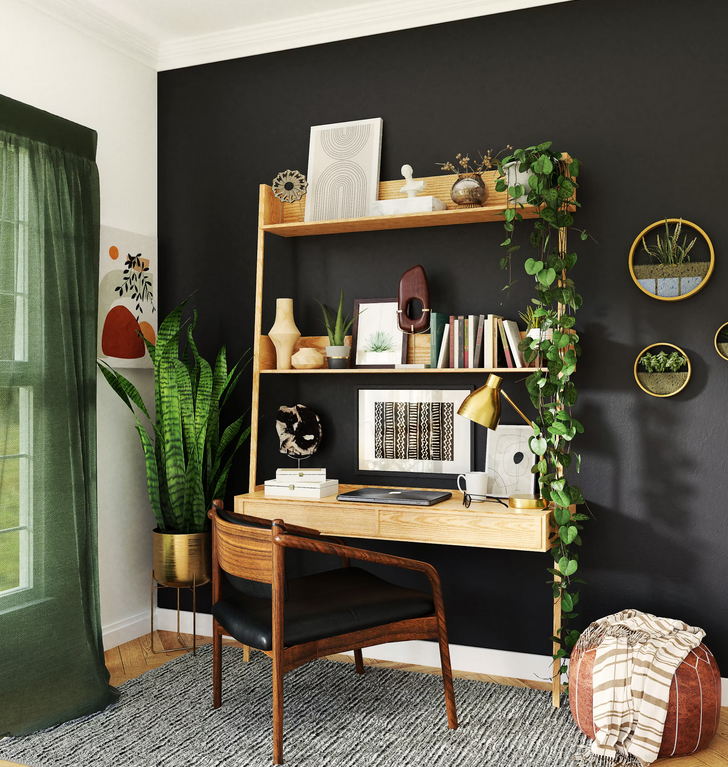
Maximizing Storage Space: Closet and Organization Solutions
Efficient storage solutions can transform your living space, making it more organized, functional, and visually appealing. Closets play a crucial role in storing clothing, accessories, and household items, but they can quickly become cluttered without proper organization. In this guide, we’ll explore strategies and solutions for maximizing storage space in closets, helping you create a tidy and efficient storage system for your belongings. Subtitles: Strategies for Optimizing Closet Space Effective Organization Solutions for Closets Strategies for Optimizing Closet Space 1. Declutter Regularly The first step in maximizing closet space is decluttering regularly. Sort through your belongings and identify items you no longer use or need. Donate or discard these items to free up space and create a more streamlined closet. Tips: Seasonal Rotation: Rotate your clothing and accessories seasonally. Store off-season items in labeled bins or vacuum-sealed bags to free up space for current-season items. Minimalism Approach: Embrace a minimalist mindset by keeping only items that you love, use frequently, or serve a practical purpose. Letting go of excess clutter creates a more functional and visually appealing closet. 2. Utilize Vertical Space Take advantage of vertical space in your closet to maximize storage capacity. Install shelves, hooks, and hanging organizers to create additional storage tiers and make use of empty wall space. Tips: Shelving Units: Install adjustable shelving units to accommodate items of different sizes. Use bins or baskets on shelves to store folded clothing, accessories, or shoes. Hooks and Pegboards: Mount hooks or pegboards on walls to hang bags, belts, scarves, or jewelry. This keeps these items visible and easily accessible. Over-the-Door Organizers: Utilize the back of closet doors with over-the-door organizers for shoes, accessories, or small items. This frees up floor and shelf space within the closet. 3. Invest in Multi-Functional Furniture Choose furniture pieces that serve multiple functions to optimize storage space in your closet and bedroom. Look for beds with built-in storage drawers or ottomans that double as storage bins. Tips: Storage Beds: Select beds with integrated storage drawers underneath. These drawers are ideal for storing extra linens, blankets, or seasonal clothing. Dual-Purpose Ottomans: Use ottomans with removable lids for hidden storage. Store shoes, accessories, or extra bedding inside while using the ottoman as a seating or footrest. Effective Organization Solutions for Closets 1. Clothing Organization Organizing clothing effectively is key to maximizing closet space. Implement systems that categorize and group similar items together, making it easier to find what you need. Tips: Hanging Dividers: Use hanging dividers to separate clothing items by type, such as shirts, pants, dresses, or jackets. This prevents clothes from becoming tangled and makes them easier to locate. Color Coding: Arrange clothing by color for a visually appealing and organized display. This not only makes it easier to find specific items but also adds aesthetic appeal to your closet. Drawer Organizers: Use drawer organizers to compartmentalize socks, underwear, accessories, or folded clothing. This maximizes drawer space and keeps items neatly arranged. 2. Shoe Storage Solutions Shoes can take up a significant amount of closet space if not organized efficiently. Explore shoe storage solutions that keep your footwear accessible and organized. Tips: Shoe Racks or Cubbies: Install shoe racks or cubbies to store shoes vertically. This saves floor space and allows you to see all your shoes at a glance. Under-Bed Shoe Organizers: Use under-bed shoe organizers to store seasonal or less frequently worn shoes. These organizers slide under the bed, keeping shoes out of sight while maximizing closet space. Over-the-Door Shoe Organizers: Utilize over-the-door shoe organizers for easy access to everyday shoes. This frees up floor space and keeps shoes neatly arranged. 3. Accessories and Small Items Organizing accessories and small items can be challenging without the right storage solutions. Implement organizers specifically designed for jewelry, belts, scarves, and other accessories. Tips: Jewelry Organizers: Use jewelry trays, stands, or wall-mounted organizers to display and store jewelry. This prevents tangling and makes it easier to select accessories for outfits. Belt and Scarf Hangers: Invest in hangers with hooks or loops for belts and scarves. Hang these accessories vertically to save space and keep them visible. Drawer Dividers: Use drawer dividers for small items like socks, underwear, or ties. These dividers create compartments within drawers, keeping items organized and easy to find. 4. Utilize Specialized Storage Solutions Explore specialized storage solutions designed to optimize specific areas of your closet, such as tie racks, sweater shelves, or handbag organizers. Tips: Tie and Belt Racks: Install tie and belt racks to keep these accessories organized and easily accessible. Hang them on closet walls or inside doors for convenience. Sweater Shelves: Use sweater shelves or dividers to store bulky sweaters without stretching or damaging them. These shelves keep sweaters neatly folded and visible. Handbag Organizers: Utilize handbag organizers or dividers to store handbags upright and prevent them from losing shape. This also makes it easier to see and select the right bag for any occasion. By implementing these strategies and organization solutions, you can maximize storage space in your closets and create a more functional and organized home. Whether you’re decluttering, utilizing vertical space, investing in multi-functional furniture, or exploring specialized storage solutions, optimizing your closet space can lead to a more streamlined and enjoyable living experience. Embrace these ideas to transform your closets into efficient storage areas that enhance your daily routines and reduce clutter.

Smart Home Technology: Enhancing Convenience and Security
Smart home technology is revolutionizing the way we interact with our living spaces, offering unprecedented levels of convenience, efficiency, and security. From controlling lighting and temperature with your voice to monitoring your home remotely via smartphone, smart home devices are designed to make life easier and safer. This guide will explore the benefits of smart home technology, focusing on how it enhances both convenience and security in modern homes. Subtitles: Enhancing Convenience with Smart Home Technology Boosting Security with Smart Home Devices Enhancing Convenience with Smart Home Technology 1. Smart Lighting Systems Smart lighting systems allow you to control your home’s lighting with ease, whether through voice commands, smartphone apps, or automated schedules. This not only enhances convenience but also contributes to energy efficiency. Benefits: Voice Control: Using virtual assistants like Amazon Alexa, Google Assistant, or Apple Siri, you can control your lights with simple voice commands. For example, saying “Alexa, turn off the lights” can save you the trouble of getting up from your comfortable spot. Remote Access: Smart lighting systems enable you to control your lights from anywhere using your smartphone. This is particularly useful when you’re away from home and want to deter potential intruders by making it appear that someone is home. Automated Schedules: Set schedules for your lights to turn on or off at specific times, helping you wake up in the morning or ensuring that your home is lit when you return from work. 2. Smart Thermostats Smart thermostats are designed to optimize your home’s heating and cooling, ensuring comfort while saving energy. These devices learn your preferences and adjust settings automatically to maintain an ideal temperature. Benefits: Energy Savings: By learning your schedule and preferences, smart thermostats can reduce energy consumption by adjusting the temperature when you’re not home. This can lead to significant savings on your utility bills. Remote Control: Adjust your home’s temperature from anywhere using your smartphone. This feature is particularly useful if you forget to adjust the thermostat before leaving or want to warm up your home before you arrive. Customizable Settings: Smart thermostats offer detailed insights into your energy usage and allow you to create customized schedules that align with your lifestyle, ensuring optimal comfort and efficiency. 3. Smart Appliances From refrigerators that help you manage your grocery list to washing machines you can control with your phone, smart appliances bring a new level of convenience to household chores. Benefits: Remote Monitoring and Control: Check the status of your appliances and control them remotely using your smartphone. For example, you can start a load of laundry while at work or preheat your oven on your way home. Efficiency and Alerts: Smart appliances often come with features that enhance efficiency and provide alerts for maintenance issues. A smart refrigerator might alert you when the door is left open or if the temperature rises unexpectedly. Integration with Other Devices: Many smart appliances integrate with other smart home devices, creating a seamless and interconnected home environment. For example, a smart coffee maker can start brewing as soon as your smart alarm clock wakes you up. Boosting Security with Smart Home Devices 1. Smart Security Cameras Smart security cameras provide peace of mind by allowing you to monitor your home in real-time from anywhere. These cameras offer features like motion detection, night vision, and two-way communication. Benefits: Real-Time Monitoring: View live footage of your home from your smartphone, tablet, or computer. This allows you to check in on your property at any time, whether you’re at work or on vacation. Motion Detection and Alerts: Smart security cameras can detect motion and send alerts to your smartphone. This feature is essential for detecting potential intruders or monitoring activity around your home. Two-Way Communication: Many smart cameras come with built-in microphones and speakers, enabling two-way communication. This feature allows you to speak to visitors or deter intruders through your camera. 2. Smart Door Locks Smart door locks offer advanced security features and keyless entry options, making it easier to control who has access to your home. They can be controlled remotely and integrated with other smart home systems. Benefits: Keyless Entry: Eliminate the need for physical keys by using your smartphone, a keypad, or a fingerprint scanner to unlock your door. This reduces the risk of lost or stolen keys. Remote Access: Lock or unlock your doors from anywhere using your smartphone. This is particularly useful if you need to let in a guest or service provider when you’re not home. Access Logs: Smart door locks keep a log of who enters and exits your home and when. This provides valuable information for monitoring access and enhancing security. 3. Smart Alarm Systems Smart alarm systems offer comprehensive home security, integrating various devices like cameras, sensors, and alarms to protect your home effectively. These systems provide real-time alerts and can be controlled remotely. Benefits: Comprehensive Protection: Smart alarm systems can include door and window sensors, motion detectors, and cameras to provide full coverage of your home. This ensures that any potential security breaches are detected and addressed promptly. Instant Alerts: Receive instant alerts on your smartphone if the alarm is triggered. This allows you to take immediate action, such as contacting authorities or checking your security cameras. Integration with Other Smart Devices: Smart alarm systems often integrate with other smart home devices, creating a cohesive security network. For example, if motion is detected, your smart lights can turn on to scare off potential intruders. 4. Smart Doorbells Smart doorbells enhance security by allowing you to see and communicate with visitors at your door, even when you’re not home. They offer features like video recording, motion detection, and two-way communication. Benefits: Video Recording: Smart doorbells capture video footage of anyone who approaches your door. This can be useful for identifying visitors or recording suspicious activity. Motion Detection and Alerts: Receive alerts on your smartphone when motion is detected near your door. This ensures that you are aware of any activity around your home. Two-Way Communication:
