
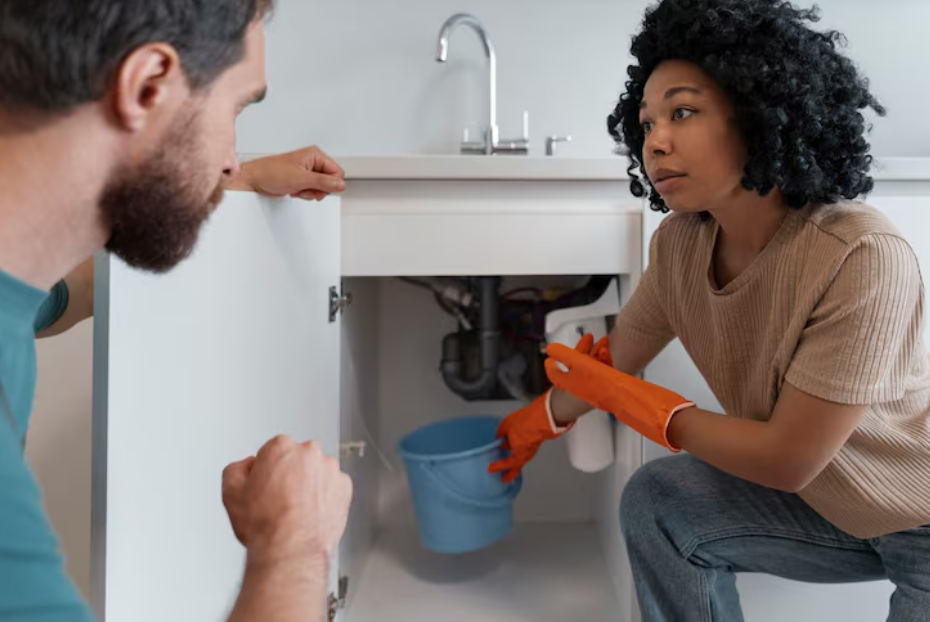
Introduction: The Urban Plumbing Puzzle Indian cities are growing vertically, with hig h-rise apartments becoming the norm. While these residential complexes promise modern amenities, they also bring unique plumbing challenges. Limited space, rigid building structures, and pre-defined drainage systems often restrict homeowners from creating the layouts they desire. For instance, moving a kitchen to a different corner of the house, adding a bathroom for guests, or converting a storeroom into a utility area often seems impossible because traditional plumbing demands heavy civil work, breaking floors, digging walls, and re-routing pipelines. This is where SFA’s Sanivite pump has emerged as a game-changing solution. Designed to handle grey water from sinks, showers, dishwashers, and washing machines, Sanivite enables homeowners to achieve layout flexibility without the disruption of traditional renovations. The Challenge: Structural Restrictions in Apartments Most apartment owners face at least one of these common issues: Fixed Kitchen Locations: Builders often place kitchens in specific corners of the layout, tied to existing drainage lines. Moving them closer to a balcony, dining space, or living room seems impossible. Lack of Extra Bathrooms: With growing families or frequent guests, additional bathrooms are often needed. But installing them far from existing sewage lines is a major challenge. Space Utilization: Urban apartments demand smart use of every square foot. Converting unused corners into utility areas, laundry rooms, or mini-pantries is often blocked by the absence of proper drainage. High Cost of Civil Work: Breaking floors and re-routing pipelines not only costs lakhs of rupees but also disrupts the home for weeks. Traditional plumbing methods simply don’t align with the flexibility modern families need. The Solution: Introducing Sanivite The Sanivite pump solves these problems by providing a compact, reliable, and quiet way to handle grey water. Instead of relying on gravity drainage, Sanivite pumps wastewater upward or horizontally to the nearest drainage line, unlocking freedom in interior planning. Key Features of Sanivite: Compact Size: Fits under sinks, behind cabinets, or inside utility areas. Grey Water Handling: Perfect for sinks, showers, dishwashers, and washing machines. Flexible Installation: Allows placement of kitchens, bathrooms, or laundries far from traditional plumbing lines. Silent Operation: Engineered for discreet functioning, suitable for homes. Durable Performance: Built to handle frequent use in Indian households. With Sanivite, homeowners no longer have to compromise on comfort or design. Real-Life Case Study: Kitchen Relocation in Bangalore Let’s take a practical example. Background: A family living in a premium apartment in Bangalore wanted to shift their kitchen closer to the balcony for better ventilation and natural light. However, the existing drainage was 15 feet away, on the opposite side of the apartment. Traditional plumbing solutions would have required breaking floors, re-routing pipelines, and disturbing the neighbors below. The Problem: Heavy construction noise and dust were not acceptable. The cost of civil work was estimated at ₹4–5 lakhs. Time required: 4–6 weeks of messy renovation. The Solution with Sanivite: The homeowners installed Sanivite under the new sink in the relocated kitchen. The pump connected to the dishwasher and washing machine as well. Wastewater was pumped horizontally across the apartment to connect with the existing drain line. Outcome: No major construction needed. Kitchen relocation was completed in just 2 days. Total cost was a fraction of traditional methods. The family gained a bright, ventilated kitchen without disturbing the building structure. This real-life success shows how Sanivite enables practical, affordable, and quick renovations in Indian apartments. Expanding Use Cases in Indian Apartments 1. Adding a Guest Bathroom With Sanivite, homeowners can convert unused corners into a powder room or guest bathroom. This is especially useful in nuclear families where hosting friends or relatives requires extra facilities. 2. Laundry & Utility Rooms Instead of crowding washing machines in the bathroom or kitchen, residents can set up a separate laundry space near balconies or storerooms. Sanivite ensures grey water disposal without needing gravity-based pipelines. 3. Converting Balconies into Pantries In urban apartments, balconies often double as utility spaces. Sanivite makes it possible to add sinks or compact pantries in these areas, improving functionality. 4. Vastu-Related Relocations Many homeowners in India prioritize Vastu Shastra. If a kitchen or bathroom isn’t aligned with Vastu principles, Sanivite enables relocation without expensive structural changes. Benefits Beyond Plumbing Sanivite is not just a plumbing solution; it adds real value to modern living: Time-Saving: Renovations that take weeks with traditional methods can be done in days. Cost-Efficient: Avoids expensive civil work and labor charges. Hygienic & Reliable: Prevents backflow and leakage issues. Design Freedom: Architects and homeowners can design layouts with more creativity. Eco-Friendly Renovations: Reduces construction debris and material waste, aligning with sustainable living. Why Sanivite is Perfect for Indian Apartments India’s urban housing sector faces unique challenges: limited space, high real estate costs, and growing family needs. Sanivite aligns perfectly with this landscape by offering: Compact Design for Small Apartments Ease of Retrofitting in High-Rises Support for Frequent Renovations in Premium Homes Adaptability for Diverse Family Needs Testimonials: Voices from Homeowners “We wanted an extra bathroom for our parents, but civil work was impossible in our apartment. Sanivite made it a reality in less than a week.” – Mumbai Resident “Our architect suggested Sanivite for our kitchen relocation. It saved us time, money, and headaches. Couldn’t be happier.” – Bangalore Family The Bigger Picture: Urban Living Made Smarter Solutions like Sanivite are not just about plumbing, they represent a shift in how Indian families adapt to urban living. Instead of being restricted by builder decisions, homeowners now have the freedom to reimagine their spaces. As apartment living continues to dominate urban India, innovative pump solutions from providers like SFA India will play a key role in making homes more functional, flexible, and future-ready. Conclusion The challenges of urban plumbing in India, rigid layouts, costly renovations, and limited space, no longer need to hold homeowners back. With SFA’s Sanivite, small pumps are solving big urban living problems. From relocating kitchens to adding guest bathrooms, Sanivite enables families to embrace flexibility, creativity, and comfort without breaking walls or

Butt-Weld Fittings vs. Other Piping Fittings: What Makes Them Superior?
Choosing the right piping fittings is crucial for the safety, efficiency, and longevity of any piping system, especially in industrial applications. Among various types of fittings—such as threaded, socket-weld, flanged, and butt-weld—buttweld fittings are often regarded as superior. But why is that? What makes butt-weld fittings stand out compared to other options? In this post, we’ll explore the key differences and advantages that set butt-weld fittings apart from other piping fittings, helping you make an informed decision for your next project. What Are Butt-Weld Fittings? Butt-weld fittings are components designed to be welded directly to the ends of pipes, creating a seamless, permanent joint. This welding process results in a connection that is as strong as the pipe itself, ideal for systems operating under high pressure, temperature, or corrosive conditions. Comparing Butt-Weld Fittings with Other Common Types Threaded Fittings Connection Method:Screwed onto the pipe threads. Advantages:Easy to install and remove; good for low-pressure applications. Limitations:Threads create potential leak points; not suitable for high-pressure or high-temperature systems; threads can corrode or strip over time. Why Butt-Weld is Superior: Butt-weld fittings eliminate threads, creating a smooth, continuous joint that is leak-proof and able to withstand extreme conditions, making them more reliable for demanding applications. Socket-Weld Fittings Connection Method:Pipe is inserted into a socket and then fillet welded. Advantages:Easier alignment and installation compared to butt-weld; used in smaller pipe diameters. Limitations:The fillet weld is generally weaker than a full penetration butt weld; can create turbulence inside the pipe due to socket depth. Why Butt-Weld is Superior: Butt-weld fittings involve full penetration welding, resulting in stronger joints with better flow characteristics and reduced pressure loss. Flanged Fittings Connection Method:Two flanges bolted together with a gasket in between. Advantages:Easy to assemble/disassemble; good for maintenance or inspection. Limitations:Prone to leakage if gasket fails; bulky; can be costly; potential corrosion at flange joints. Why Butt-Weld is Superior: Butt-weld fittings create a seamless joint without gaskets, reducing leak risks and maintenance needs while offering a more compact, durable connection. Key Advantages That Make Butt-Weld Fittings Superior Strength and Integrity Butt-weld fittings provide a joint as strong as the pipe itself, capable of handling high pressures, temperatures, and mechanical stress. This integrity is unmatched by threaded or socket-weld connections, which rely on partial welds or mechanical threads. Leak-Proof Performance Because the joint is a continuous metal bond without gaps or threads, butt-weld fittings are essentially leak-proof, making them the preferred choice for hazardous fluids and gases. Improved Flow Dynamics Butt-weld joints have smooth, flush interiors that minimize turbulence and pressure loss. Other fittings, like socket welds or flanges, may cause internal disruptions affecting flow efficiency. Durability in Harsh Environments With no exposed threads or gaskets, butt-weld fittings are more resistant to corrosion and mechanical wear, particularly important in chemical plants, offshore platforms, and power stations. Suitability for Inspection Butt-weld joints can be easily inspected with non-destructive testing (NDT) methods such as X-rays or ultrasonic testing, ensuring weld quality and safety. This is harder to do thoroughly with threaded or flanged joints. Cost Efficiency Over Time While initial installation requires skilled welding, butt-weld fittings reduce maintenance, downtime, and leak-related repairs—offering better cost efficiency over the system’s lifetime. When Might Other Fittings Be Preferred? Despite their advantages, butt-weld fittings may not always be the best fit: Threaded or socket-weld fittings are common for small-diameter, low-pressure, or temporary systems where ease of installation is prioritized. Flanged fittingsare favored where frequent disassembly or maintenance is required, such as in valve connections or inspection points. Choosing the right fitting depends on the application, pressure, temperature, and maintenance needs. Conclusion Butt-weld fittings stand out as superior piping components when strength, leak-proof performance, durability, and flow efficiency are critical. Their seamless welded joints make them ideal for demanding industrial environments where safety and reliability cannot be compromised. While other fittings have their place, the benefits of butt-weld fittings often translate into longer-lasting, safer, and more efficient piping systems. If you’re planning an industrial piping project and want the best in performance and reliability, butt-weld fittings should be your top choice.

Building a Greener Future: Sustainable Practices for an Eco-Friendly Hom
Understanding the Importance of Sustainable Living In today’s world, sustainability is more than just a buzzword—it’s a critical mindset and lifestyle choice aimed at preserving our planet for future generations. Building an eco-friendly home involves embracing sustainable practices that minimize environmental impact, conserve resources, and promote a healthier, more sustainable way of life. By understanding the importance of sustainable living, you can take meaningful steps towards creating a greener future for yourself and the planet. Reducing Carbon Footprint: Every aspect of modern life, from transportation to energy consumption, contributes to carbon emissions and climate change. By adopting sustainable practices in your home, such as reducing energy consumption, using renewable resources, and minimizing waste, you can significantly reduce your carbon footprint and mitigate the effects of global warming. Conserving Natural Resources: Our planet’s finite resources are under increasing strain due to population growth and unsustainable consumption patterns. Sustainable living involves conserving natural resources such as water, energy, and raw materials through efficient use and responsible stewardship. By minimizing waste and maximizing resource efficiency, we can ensure that future generations have access to the resources they need to thrive. Protecting Biodiversity: Biodiversity loss is a pressing environmental issue driven by habitat destruction, pollution, and climate change. Sustainable living practices aim to protect and preserve biodiversity by minimizing habitat destruction, reducing pollution, and promoting ecosystem health. By supporting sustainable agriculture, protecting natural habitats, and reducing our ecological footprint, we can help safeguard the rich diversity of life on Earth. Promoting Health and Well-being: Sustainable living isn’t just about protecting the planet—it’s also about promoting human health and well-being. By choosing eco-friendly products and materials that are free from harmful chemicals and toxins, you can create a healthier indoor environment for yourself and your family. Sustainable homes are often better insulated, ventilated, and designed to optimize natural light and air circulation, resulting in improved comfort and well-being. Implementing Eco-Friendly Practices in Your Home Energy Efficiency: Improving energy efficiency is one of the most effective ways to reduce your environmental impact and lower your utility bills. Upgrade to energy-efficient appliances, such as ENERGY STAR-rated refrigerators, washing machines, and dishwashers, which use less energy and water than conventional models. Install programmable thermostats, LED light bulbs, and smart power strips to reduce energy consumption and save money on electricity bills. Renewable Energy: Harnessing renewable energy sources such as solar, wind, and geothermal power is a sustainable alternative to fossil fuels that reduces greenhouse gas emissions and dependence on finite resources. Consider installing solar panels on your roof to generate clean, renewable electricity for your home. Invest in a solar water heater or heat pump system to reduce reliance on gas or electric water heaters and lower energy costs. Water Conservation: Conserving water is essential for protecting freshwater ecosystems and ensuring access to clean water for future generations. Install low-flow fixtures, such as toilets, faucets, and showerheads, to reduce water usage without sacrificing performance. Fix leaks promptly and collect rainwater for outdoor irrigation to minimize water waste and save money on utility bills. Sustainable Materials: Choose eco-friendly materials and products that are responsibly sourced, renewable, and non-toxic. Opt for sustainable building materials such as bamboo, reclaimed wood, and recycled glass for flooring, countertops, and cabinetry. Select low-VOC paints, adhesives, and finishes to minimize indoor air pollution and improve indoor air quality. Look for eco-friendly certifications such as Forest Stewardship Council (FSC) certification and GreenGuard certification to ensure that products meet stringent environmental and health standards. Waste Reduction and Recycling: Reduce waste by adopting practices such as recycling, composting, and reducing single-use plastics. Set up recycling bins for paper, plastic, glass, and metal, and compost organic waste such as food scraps and yard debris to divert waste from landfills and enrich soil health. Choose reusable products and packaging whenever possible to minimize waste and reduce your environmental footprint. Green Landscaping: Create a sustainable outdoor space by landscaping with native plants, which require less water, fertilizer, and pesticides than exotic species. Design a rain garden or bioswale to capture and filter stormwater runoff, reducing erosion and pollution of waterways. Use permeable paving materials such as gravel or permeable pavers to allow rainwater to infiltrate the soil and recharge groundwater. By embracing sustainable practices in your home, you can reduce your environmental footprint, conserve resources, and promote a healthier, more sustainable way of life for yourself and future generations. From improving energy efficiency and water conservation to choosing eco-friendly materials and reducing waste, every small step towards sustainability makes a positive impact on the planet.
Transforming Your Basement: Unlocking Potential for Functional Space
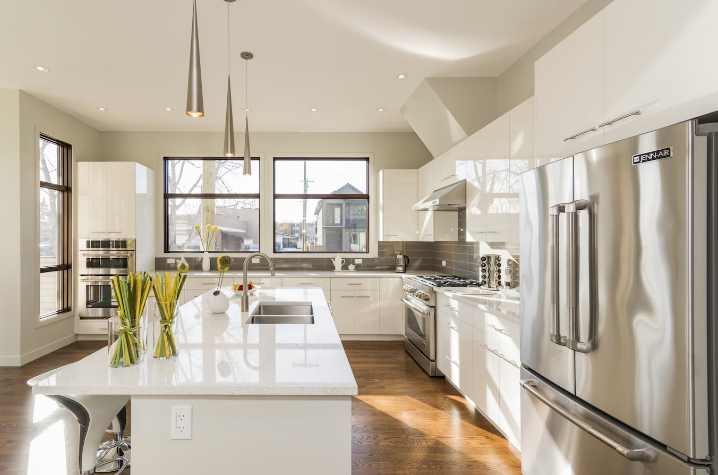
The Untapped Potential of Basement Renovation Your basement often holds untapped potential, serving as a blank canvas waiting to be transformed into a functional and inviting space. Whether you’re looking to expand your living area, create a home office, or build the ultimate entertainment zone, renovating your basement offers endless possibilities for enhancing both the value and livability of your home. Expanding Living Space: Renovating your basement allows you to maximize the square footage of your home, providing additional living space for your family to enjoy. Transform your basement into a cozy family room, a guest suite for visitors, or a playroom for kids. With proper insulation and moisture control, your basement can become a comfortable and versatile extension of your living area. Creating a Home Office: In today’s remote work environment, having a dedicated home office space is more important than ever. Renovating your basement into a functional home office allows you to separate work life from home life while providing a quiet and productive environment. Customize your office layout with built-in storage, ample lighting, and ergonomic furniture to suit your workflow and preferences. Building an Entertainment Zone: Turn your basement into the ultimate entertainment zone for hosting gatherings and relaxing with family and friends. Design a home theater with comfortable seating, surround sound, and a big-screen TV for movie nights or game days. Incorporate a wet bar or snack area for added convenience, and consider soundproofing walls to minimize noise transfer to the rest of the house. Adding Rental Income: Renovating your basement into a separate living space can also provide the opportunity for rental income. Create a basement apartment or accessory dwelling unit (ADU) with its own entrance, kitchenette, and bathroom to attract potential tenants. Renting out your basement can help offset mortgage costs and increase the overall value of your property Planning and Designing a Functional Basement Space Assessing Structural Integrity: Before embarking on a basement renovation project, it’s essential to assess the structural integrity of the space. Inspect the foundation, walls, and ceiling for signs of water damage, mold, or structural issues that may need to be addressed before starting renovations. Consult with a professional contractor or structural engineer to ensure that your basement is safe and suitable for renovation. Addressing Moisture and Waterproofing: Basements are prone to moisture issues, so it’s crucial to address waterproofing and moisture control measures before finishing the space. Install a sump pump, French drain, or exterior waterproofing membrane to prevent water infiltration and mitigate the risk of flooding. Consider sealing concrete walls and floors with waterproofing coatings or installing a vapor barrier to reduce moisture buildup. Creating Adequate Lighting: Basements typically lack natural light, so it’s essential to plan for adequate lighting during the renovation process. Incorporate a combination of ambient, task, and accent lighting to brighten up the space and create a comfortable atmosphere. Consider recessed lighting, track lighting, or pendant lights for general illumination, supplemented by task lighting for specific areas such as workstations or reading nooks. Maximizing Ceiling Height: Basements often have lower ceiling heights compared to the rest of the house, which can make the space feel cramped and claustrophobic. To maximize ceiling height and create a more open and airy feel, consider removing drop ceilings or bulkheads and exposing structural elements such as beams or ductwork. Paint ceilings and walls in light colors to reflect more light and visually expand the space. Selecting Durable Materials: Choose durable and moisture-resistant materials for basement finishes to withstand the unique challenges of below-grade environments. Opt for waterproof flooring options such as luxury vinyl planks, ceramic tile, or epoxy coatings that can handle moisture and humidity without warping or molding. Use mold-resistant drywall or cement board for walls, and consider installing a subfloor system to provide insulation and prevent moisture buildup. Incorporating Storage Solutions: Make the most of your basement renovation by incorporating ample storage solutions to keep the space organized and clutter-free. Design built-in shelving, cabinets, or closets to store seasonal items, household essentials, and recreational equipment. Utilize under-stair storage or hidden compartments to maximize space efficiency and minimize visual clutter. Ensuring Proper Ventilation: Proper ventilation is essential for maintaining air quality and preventing moisture buildup in the basement. Install exhaust fans or dehumidifiers to remove excess humidity and improve air circulation. Consider adding windows or window wells to bring in natural light and fresh air, and ensure that HVAC systems are properly sized and insulated for basement use. By unlocking the potential of your basement through thoughtful planning and design, you can create a functional and inviting space that enhances your home’s value and livability. Whether you’re expanding living space, creating a home office, or building an entertainment zone, renovating your basement offers endless opportunities for customization and personalization to suit your lifestyle and preferences.
