
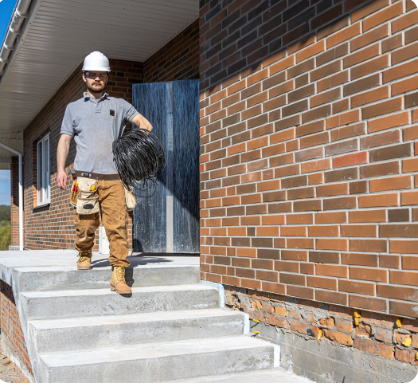
Your home’s exterior is the first thing people notice, but it also plays an important role in protecting the property from weather, moisture, temperature changes, and everyday wear. When the exterior becomes outdated, damaged, or difficult to maintain, working with an experienced exterior remodeling contractor can help transform both the appearance and functionality of your home.
Exterior remodeling can involve anything from updating siding and windows to redesigning an entryway, replacing roofing, improving outdoor living areas, or completely refreshing the property’s curb appeal. With thoughtful planning and professional workmanship, an exterior renovation can make your home more attractive, comfortable, durable, and functional.
This guide explains what exterior remodeling involves, popular remodeling projects, how to plan your renovation, factors that influence cost, how to choose the right contractor, common mistakes to avoid, and important questions to ask before starting your project.
What Is an Exterior Remodeling Contractor?
An exterior remodeling contractor specializes in improving, repairing, renovating, or updating the outside of residential properties. Depending on the project’s scope, an exterior remodeling professional may coordinate several different areas of construction.
Exterior remodeling projects can include:
- Siding replacement or installation
- Exterior painting
- Roofing improvements
- Window and door replacement
- Entryway upgrades
- Porch and patio improvements
- Deck construction or remodeling
- Garage exterior renovations
- Outdoor living spaces
- Exterior trim and architectural details
- Drainage and water-management improvements
- Curb appeal upgrades
The goal is not simply to make a house look better. A successful exterior renovation should also improve durability, weather protection, energy performance, maintenance, and the overall usability of the property.
Why Consider Exterior Remodeling?
Home exteriors naturally experience exposure to sunlight, rain, wind, humidity, temperature changes, and other environmental conditions. Over time, materials can fade, crack, deteriorate, or become outdated.
Exterior remodeling provides an opportunity to address these issues while giving the property a refreshed appearance.
Improve Curb Appeal
A refreshed exterior can dramatically change how a home looks. New siding, updated doors, modern lighting, attractive trim, and improved landscaping can create a more cohesive appearance.
Protect Your Home
Exterior components help protect the underlying structure. Replacing damaged materials and addressing moisture or drainage issues can help prevent more significant problems.
Improve Energy Efficiency
Certain upgrades, such as appropriate insulation, modern windows, weatherproofing, and energy-efficient doors, may improve indoor comfort and reduce energy loss.
Reduce Maintenance
Modern exterior materials can be easier to maintain than aging materials. Choosing suitable products can reduce the frequency of painting, repairs, and other maintenance tasks.
Increase Functional Outdoor Space
Exterior remodeling can extend your usable living area through patios, decks, covered outdoor spaces, porches, and other improvements.
Popular Exterior Remodeling Projects
There are many ways to improve a home’s exterior. The right combination depends on the property’s existing condition, architectural style, budget, and your long-term goals.
| Exterior Remodeling Project | Main Purpose | Potential Benefit |
|---|---|---|
| Siding Replacement | Update exterior walls | Appearance and weather protection |
| Window Replacement | Upgrade windows | Comfort and energy performance |
| Door Replacement | Improve entryways | Security, appearance, and functionality |
| Exterior Painting | Refresh surfaces | Updated appearance and protection |
| Roofing | Repair or replace roof | Weather protection |
| Deck Remodeling | Improve outdoor space | Additional usable area |
| Porch Upgrade | Enhance entrance | Curb appeal and outdoor comfort |
| Outdoor Living Area | Create entertaining space | Greater lifestyle flexibility |
Siding Replacement and Installation
Siding has a major influence on the appearance and protection of your home. Damaged, faded, warped, or outdated siding can make an otherwise attractive property look neglected.
A remodeling project can involve replacing old siding with a more suitable modern material.
When selecting siding, consider:
- Durability
- Weather resistance
- Appearance
- Maintenance requirements
- Insulation characteristics
- Installation requirements
- Long-term performance
- Compatibility with the existing architecture
The right siding should complement the home’s design while providing dependable exterior protection.
Window and Door Remodeling
Windows and exterior doors influence appearance, security, ventilation, natural lighting, and indoor comfort.
Window Replacement
Older windows may have damaged frames, worn seals, or poor thermal performance. Replacing them can give the exterior a cleaner appearance while potentially improving comfort.
Consider window style, frame materials, glazing, ventilation, natural light, and the architectural design of the house.
Exterior Door Replacement
The front door is often one of the most visible features of a home. A new door can create a stronger entrance while improving security and weather resistance.
Popular improvements include:
- New front doors
- Decorative entry doors
- Patio doors
- Sliding doors
- French doors
- Modern hardware
- Updated exterior lighting
Exterior Painting and Finishing
A fresh coat of exterior paint can make a significant visual difference without changing the entire structure.
Before painting, the surface should be properly prepared. Depending on its condition, preparation may include cleaning, scraping, sanding, repairing damaged areas, priming, and sealing.
Choose colors that work with the roof, windows, doors, landscaping, and surrounding architecture.
A professional contractor can also help determine which paint products and finishes are appropriate for different exterior surfaces.
Roofing and Exterior Improvements
The roof is one of the home’s most important protective systems. If it is aging or showing signs of damage, roofing improvements may become an essential part of an exterior remodeling project.
Possible signs that a roof needs attention include:
- Missing or damaged roofing materials
- Visible deterioration
- Water stains inside the property
- Damaged flashing
- Sagging areas
- Persistent leaks
- Excessive age
Roofing work should be evaluated by an appropriately qualified professional because problems that appear minor from the outside can sometimes indicate underlying issues.
Porch, Patio, and Deck Remodeling
Outdoor spaces can make a home more enjoyable by providing areas for relaxing, dining, entertaining, or spending time with family.
Porch Remodeling
A renovated porch can improve the entrance while creating a comfortable transitional space between indoors and outdoors.
Deck Remodeling
Deck improvements may include replacing worn boards, updating railings, improving stairs, or redesigning the layout.
Patio Improvements
Patios can be redesigned with appropriate paving, seating areas, lighting, shade structures, and landscaping.
Before construction, consider drainage, accessibility, materials, maintenance, and how the space will be used.
How to Plan an Exterior Remodeling Project
A successful exterior renovation begins with a clear plan. Avoid making major decisions only after construction has started.
1. Identify Your Priorities
Start by walking around the property and identifying what needs improvement.
Ask yourself:
- What looks outdated?
- What needs repair?
- Which areas create maintenance problems?
- Do you want better energy performance?
- Do you need more outdoor living space?
- Are there water or drainage concerns?
- Which improvements are most important?
Create a priority list before discussing the project with contractors.
2. Set a Realistic Budget
Your budget should account for both visible improvements and underlying construction work.
Potential expenses include:
- Design services
- Materials
- Labor
- Demolition or removal
- Structural repairs
- Electrical work
- Plumbing
- Landscaping adjustments
- Permits and inspections where applicable
- Cleanup
It is also wise to maintain a contingency allowance for unexpected conditions.
3. Assess the Existing Exterior
Before choosing new materials, inspect the current exterior. Problems behind siding, trim, roofing, windows, or other components may need to be addressed before cosmetic improvements are installed.
4. Choose Compatible Materials
The new materials should work with the existing structure and local environmental conditions. Consider durability, maintenance, appearance, installation requirements, and expected lifespan.
5. Develop a Complete Project Plan
A detailed project plan can establish the scope, materials, schedule, responsibilities, payment terms, and expected completion process.
Exterior Remodeling Cost Factors
The cost of exterior remodeling varies considerably because every home and project is different.
| Cost Factor | How It Affects the Project |
|---|---|
| Project Size | Larger renovations generally require more labor and materials |
| Material Selection | Premium materials can increase the overall investment |
| Structural Repairs | Hidden damage may require additional work |
| Siding | Material type and surface area influence cost |
| Windows & Doors | Quantity, size, and specifications affect pricing |
| Roofing | Roof size, design, materials, and condition influence costs |
| Outdoor Areas | Decks, patios, and porches add construction requirements |
| Labor | Skilled installation contributes to project costs |
| Accessibility | Difficult site access can increase labor and logistics |
| Finishes | Lighting, trim, paint, and decorative details affect the final budget |
Because prices vary by location and project scope, homeowners should request detailed estimates based on the actual property rather than relying on generic figures.
How to Choose the Right Exterior Remodeling Contractor

Choosing a contractor is one of the most important decisions in an exterior renovation.
Look for Relevant Experience
Ask whether the contractor has completed projects similar to yours. Exterior remodeling can involve many different materials and construction techniques, so relevant experience matters.
Review Previous Work
Look at photographs or examples of completed projects. Pay attention to details such as trim, material transitions, siding alignment, doors, windows, and overall finishing quality.
Request a Detailed Estimate
A good estimate should clearly explain the work involved and identify major materials, labor, exclusions, and potential allowances.
Check Credentials and Insurance
Confirm that the contractor meets applicable local requirements and carries appropriate insurance for the work being performed.
Ask About the Project Timeline
Discuss the expected start date, construction duration, material availability, weather considerations, and possible delays.
Evaluate Communication
Choose a contractor who explains the process clearly and communicates consistently throughout the project.
Exterior Design Ideas for Better Curb Appeal
Exterior remodeling is an opportunity to create a more cohesive appearance.
Consider combining:
- A refreshed front door
- Updated exterior lighting
- New siding or paint
- Modern house numbers
- Improved porch design
- Updated windows
- Decorative trim
- Coordinated landscaping
- Improved walkways
- Attractive outdoor seating
The goal should be balance. Too many competing materials, colors, or decorative features can make an exterior look visually crowded.
Energy-Efficient Exterior Remodeling
Exterior improvements can also focus on indoor comfort and energy performance.
Potential upgrades include:
- Better insulation
- Energy-efficient windows
- Weather-resistant doors
- Proper air sealing
- Improved ventilation
- Efficient exterior lighting
- Appropriate roofing materials
- Moisture management
The most appropriate improvements depend on the home’s existing construction and local climate.
Common Exterior Remodeling Mistakes
Choosing Materials Without Considering the Climate
Exterior materials should be suitable for local weather conditions. Materials that perform well in one environment may require different maintenance or installation practices elsewhere.
Focusing Only on Appearance
A beautiful exterior will not solve underlying structural, drainage, or moisture problems. Address necessary repairs before cosmetic improvements.
Ignoring Drainage
Water should be directed away from the structure. Poor drainage can contribute to moisture problems and damage over time.
Choosing Too Many Design Elements
Combining too many colors, materials, and styles can create an inconsistent appearance. A coordinated design is generally easier to maintain visually.
Not Planning for Maintenance
Consider how much time and money you are willing to spend maintaining the new exterior before selecting materials.
Hiring Based Only on the Lowest Quote
A low price may not represent the same scope or quality as a more detailed proposal. Compare the complete project rather than focusing on the total number alone.
Exterior Remodeling Project Timeline
The timeline depends on project size, weather, materials, property condition, and construction complexity.
A typical project may involve:
- Initial consultation
- Exterior inspection
- Project planning
- Design development
- Material selection
- Detailed estimate
- Required approvals
- Site preparation
- Removal of existing materials where necessary
- Structural repairs
- Installation of new exterior components
- Painting and finishing
- Landscaping or outdoor improvements
- Final inspection
- Cleanup and project completion
Weather can have a particularly significant effect on exterior construction, so homeowners should allow some flexibility in the schedule.
Questions to Ask an Exterior Remodeling Contractor
Before hiring a contractor, ask questions that clarify the entire project.
- How much experience do you have with exterior remodeling?
- Can you provide examples of similar projects?
- What materials do you recommend and why?
- What is included in the estimate?
- What work is excluded?
- How long will the project take?
- Who will supervise the job?
- Will subcontractors be involved?
- How are unexpected repairs handled?
- What warranties are available?
- What approvals are required?
- How will weather-related delays be managed?
- What cleanup is included?
Clear answers can help prevent misunderstandings and establish realistic expectations.
Benefits of Professional Exterior Remodeling

Professional exterior remodeling can provide benefits beyond appearance.
Improved Appearance
A coordinated exterior can give an older home a refreshed and modern appearance.
Better Protection
Replacing deteriorated exterior components can help protect the property from weather and moisture.
Improved Comfort
Certain improvements can help reduce drafts, heat transfer, and other sources of discomfort.
Reduced Maintenance
Durable, appropriate materials may require less frequent repair or repainting.
More Usable Outdoor Space
Decks, patios, porches, and other outdoor improvements can increase the ways you enjoy your property.
Potential Property Appeal
A well-maintained exterior can make a property more attractive to prospective buyers, although the financial impact of remodeling varies by property and local market conditions.
Final Thoughts
Hiring an experienced exterior remodeling contractor can help homeowners transform an outdated or deteriorating exterior into a more attractive, durable, and functional part of the property. Whether the project involves siding, windows, doors, roofing, painting, a new porch, or a complete exterior renovation, careful planning is essential.
Start by identifying your priorities, evaluating the existing condition of the property, establishing a realistic budget, and selecting materials that suit both the home and its environment. Then compare qualified contractors based on experience, workmanship, communication, project scope, and detailed estimates.
A successful exterior remodel should do more than improve curb appeal. It should protect the home, support comfortable living, reduce unnecessary maintenance, and create an exterior that works well for years to come.
Frequently Asked Questions
1. What does an exterior remodeling contractor do?
An exterior remodeling contractor specializes in improving and renovating the outside of residential properties. Services can include siding, windows, doors, roofing, exterior painting, porches, decks, patios, and other exterior improvements.
2. How much does exterior remodeling cost?
The cost depends on the size and condition of the property, materials, labor, structural repairs, windows and doors, roofing, outdoor improvements, and project complexity. A detailed estimate based on the actual property provides a more accurate budget.
3. How long does an exterior remodeling project take?
The timeline varies according to the project’s scope, materials, property condition, weather, site access, and required approvals. Smaller projects may be completed relatively quickly, while whole-home exterior renovations can require considerably more time.
4. How do I choose an exterior remodeling contractor?
Look for relevant experience, examples of completed projects, appropriate credentials and insurance, detailed written estimates, clear communication, references, and a well-defined project timeline. Compare the complete scope of work rather than choosing solely based on price.
5. Can exterior remodeling improve my home’s value?
Exterior remodeling can improve curb appeal, functionality, durability, and buyer appeal. However, the effect on property value depends on factors such as the type of renovation, quality of work, property location, materials, and local market conditions.
