

With rising energy costs and increased focus on sustainability, upgrading commercial buildings for better energy efficiency during Retrofit Commercial Roofing makes good business sense. One impactful upgrade many building owners overlook is switching to a cool roof. In this post, we’ll explore how cool roofs can significantly lower energy bills through reduced cooling costs. A cool roof is a roofing system designed to stay significantly cooler than traditional rooftops in direct sunlight. They maintain a low surface temperature by reflecting solar heat instead of absorbing it. This property makes cool roofs an invaluable upgrade during commercial retrofit projects seeking to improve a building’s energy profile. Let’s dive deeper into why cool roofs should be a priority consideration for your next roof replacement or retrofit. Traditional Roofs Absorb Heat, Increasing Energy Demands Conventional roofing materials like black or dark-colored membranes, shingles, and roll roofing absorb a high percentage of the sun’s radiant heat energy. On a hot, sunny day, the surface temperature of a traditional black roof can be over 150°F – nearly as hot as the temperature inside a parked car! This absorbed heat is transferred indoors, increasing the load on a building’s air conditioning system. The more heat a roof absorbs, the harder HVAC equipment has to work to keep interior spaces cool and comfortable. Additional runtime translates directly into higher electricity usage and costs. Traditional roofs also radiate absorbed heat back into the atmosphere at night. This re-radiation effect keeps outdoor temperatures warmer after sunset, preventing buildings from maximizing natural nighttime cooling. The combined effect of daytime heat absorption and nighttime re-radiation means traditional roofs drive up cooling needs and costs year-round. Cool Roofs Reflect Solar Heat, Lowering Demands on HVAC In contrast, cool roofs are specially formulated to stay much cooler in direct sunlight through high solar reflectance. Most use white or light-colored surfaces that bounce over 70% of solar radiation away, preventing heat absorption. Roofing products stamped with ENERGY STAR certification have been tested to demonstrate solar reflectance of at least 0.65 on a scale of 0-1. By reflecting heat rather than absorbing it, cool roofs keep outdoor temperatures much lower in summer. The lower surface temperature in turn reduces incoming heat gain through the roof assembly. Air conditioning systems don’t have to work as hard to offset incoming solar heat, saving significant energy and operational costs for facilities. Cool roofs also radiate less heat back to the night sky compared to darker roofs. This minimizes the urban heat island effect and allows buildings to maximize nighttime cooling using only natural ventilation. Studies show buildings with cool roofs often need 10-15% less electricity for cooling than buildings with traditional roofs. And with less demand, HVAC systems last longer too. Energy Savings Add Up Quickly Over the Lifespan of a Cool Roof The upfront premium for a cool roofing system typically pays for itself in energy cost savings within a few years. The exact payback period depends on factors like your building type, location, existing equipment efficiency, and local utility rates. However, independent studies show commercial buildings across climate zones see average payback periods of 3-5 years. The savings continue accumulating for the roof’s entire service life, which typically ranges from 15-30+ years depending on the material. Over even a medium lifespan of 20 years, energy cost avoidance from a cool roof easily reaches five figures or more. Considering retrofit roof replacements are usually planned around that 20-year mark anyway, transitioning to a cool roof system is a low-risk investment with long-term positive returns. Incorporate a Cool Roof Upgrade into Your Next Retrofit Project As sustainability-focused retrofits become increasingly mainstream across all property types, cool roofs represent an impactful energy conservation measure that shouldn’t be overlooked. If your commercial roof is nearing the end of its useful life, now is the perfect opportunity to swap in a high-performance cool roof system delivering long-term returns through materialized energy cost reductions. Leading contractor partners in Commercial energy services can help evaluate your facility, size potential savings from a cool roof retrofit, and manage the full process from design through commissioning. Be sure to solicit competitive proposals with thorough projected payback analysis for decision-makers.
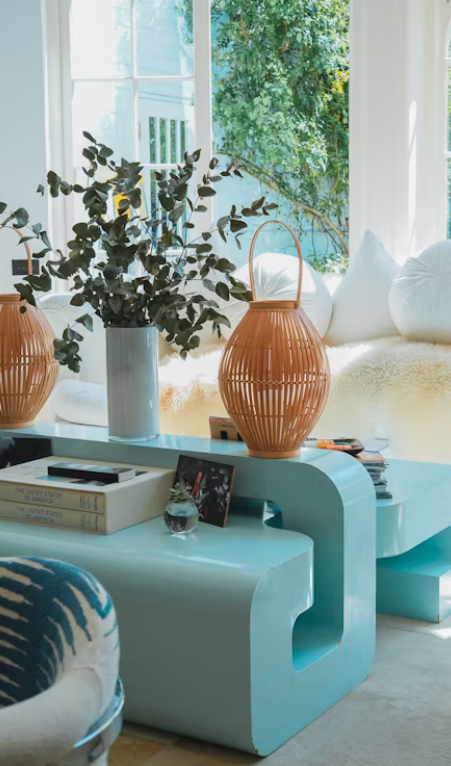
Decluttering Your Living Spaces: Minimalist Design Strategies
Living in a clutter-free environment can have a profound impact on your well-being, productivity, and overall quality of life. Minimalist design strategies focus on simplicity, functionality, and intentional living, helping you create serene and organized living spaces. In this guide, we’ll explore effective strategies for decluttering your living spaces and embracing minimalist design principles to create a harmonious and inviting home. Subtitles: Understanding Minimalist Design Principles Effective Strategies for Decluttering Your Living Spaces Understanding Minimalist Design Principles 1. Simplified Aesthetics Minimalist design emphasizes simplicity and clean aesthetics. This approach prioritizes essential elements while minimizing excess ornamentation or decorative clutter. Choose furniture, decor, and color schemes that create a sense of calm and visual clarity. Tips: Neutral Color Palette: Opt for a neutral color palette with shades of white, beige, gray, or soft pastels. These colors create a timeless and tranquil backdrop for minimalist interiors. Clean Lines and Shapes: Select furniture and decor with clean lines and geometric shapes. Avoid ornate detailing or intricate patterns that can detract from the minimalist aesthetic. Open Space: Embrace open space to allow room for breathing and movement within your living areas. Avoid overcrowding with excessive furniture or accessories. 2. Functional Design Minimalist design prioritizes functionality and purposeful living. Each item in your living space should serve a practical function or add value to your daily life. Choose multifunctional furniture and storage solutions that optimize space and reduce clutter. Tips: Multipurpose Furniture: Invest in multipurpose furniture pieces that serve dual functions, such as a storage ottoman, convertible sofa bed, or extendable dining table. This maximizes functionality while minimizing the need for excess furnishings. Hidden Storage: Incorporate hidden storage solutions to keep belongings out of sight and maintain a clean aesthetic. Utilize built-in cabinets, wall-mounted shelves with concealed brackets, or furniture with integrated storage compartments. Streamlined Layout: Arrange furniture in a way that promotes flow and functionality. Consider traffic patterns, ergonomic seating arrangements, and clear pathways for easy navigation. 3. Mindful Material Selection Select materials and textures that align with minimalist principles of simplicity and durability. Focus on quality over quantity, choosing timeless materials that age gracefully and require minimal maintenance. Tips: Natural Materials: Embrace natural materials like wood, stone, metal, and glass for a minimalist aesthetic. These materials add warmth, texture, and visual interest without overwhelming the space. Sustainable Choices: Opt for sustainable and eco-friendly materials whenever possible. Look for certifications like FSC (Forest Stewardship Council) for wood products or GreenGuard for low-emission furniture. Quality Over Quantity: Prioritize quality materials that are built to last. Invest in furniture and decor pieces that withstand daily use and retain their aesthetic appeal over time. Effective Strategies for Decluttering Your Living Spaces 1. Edit Belongings Regularly Start decluttering by editing your belongings regularly. Assess each item and consider its usefulness, sentimental value, and contribution to your daily life. Donate, sell, or discard items that no longer serve a purpose or bring you joy. Tips: The KonMari Method: Use the KonMari method, popularized by Marie Kondo, to declutter and organize belongings by category (e.g., clothing, books, papers, sentimental items). Keep only items that spark joy and let go of the rest. One In, One Out Rule: Adopt the “one in, one out” rule for new purchases. Whenever you bring a new item into your home, remove an existing item to maintain balance and prevent accumulation. Digital Decluttering: Extend decluttering to digital spaces by organizing digital files, emails, and digital media. Delete unnecessary files, unsubscribe from unused subscriptions, and streamline digital workflows. 2. Embrace Minimalist Storage Solutions Maximize storage efficiency with minimalist storage solutions that prioritize accessibility and organization. Choose streamlined storage furniture, modular systems, and space-saving techniques to declutter living spaces. Tips: Vertical Storage: Utilize vertical space with wall-mounted shelves, floating cabinets, or tall bookcases. This frees up floor space and keeps belongings organized and accessible. Multipurpose Storage: Invest in furniture with built-in storage, such as storage benches, coffee tables with hidden compartments, or modular shelving units. These pieces serve dual functions and reduce visual clutter. Decluttered Surfaces: Keep surfaces clear of unnecessary items to maintain a minimalist aesthetic. Use trays or baskets to corral essentials like keys, remotes, or daily essentials. 3. Streamline Decor and Accessories Curate decor and accessories mindfully to enhance the minimalist aesthetic of your living spaces. Choose a few statement pieces that add visual interest without overwhelming the space. Focus on quality, meaningful items that contribute to a cohesive and harmonious environment. Tips: Artful Displays: Display art and decorative objects strategically to create focal points and visual interest. Choose art pieces that resonate with you and complement the overall design aesthetic. Functional Decor: Select decor items that serve a dual purpose, such as decorative storage boxes, wall mirrors that enhance light and space, or plants that add a touch of nature and air purification. Negative Space: Embrace negative space as a design element. Allow areas of empty space to balance and highlight key decor elements, creating a sense of visual harmony. By incorporating minimalist design principles and effective decluttering strategies, you can transform your living spaces into serene, organized, and harmonious environments. Embrace simplicity, functionality, and mindful material choices to create a minimalist haven that promotes well-being and intentional living. Decluttering your living spaces is not just about removing excess, but also about creating space for what truly matters and brings joy to your daily life.

Bathroom Remodeling: Design Ideas and Considerations
Remodeling your bathroom is an exciting project that can transform this essential space into a functional, stylish, and relaxing oasis. Whether you’re planning a complete overhaul or a partial renovation, careful consideration of design ideas and key considerations is crucial for a successful outcome. In this guide, we’ll explore various design ideas and important considerations to keep in mind when remodeling your bathroom, helping you create a space that meets your needs and reflects your personal style. Subtitles: Inspiring Design Ideas for Bathroom Remodeling Key Considerations for a Successful Bathroom Renovation Inspiring Design Ideas for Bathroom Remodeling 1. Spa-Inspired Retreat Create a spa-inspired retreat in your bathroom by incorporating elements that promote relaxation and rejuvenation. Think of soothing color palettes, luxurious materials, and amenities that enhance the spa experience. Ideas: Neutral Tones: Use calming neutral tones like soft blues, greens, or earthy hues for walls, tiles, and decor. These colors evoke a sense of tranquility and serenity. Natural Materials: Incorporate natural materials such as stone, wood, or bamboo for countertops, flooring, and accents. These materials add warmth and organic textures to the space. Amenities: Include amenities like a whirlpool tub, steam shower, heated floors, or a rainfall showerhead for a spa-like experience at home. Add plush towels, candles, and aromatherapy diffusers for added comfort. 2. Modern Minimalism Embrace modern minimalism for a sleek and uncluttered bathroom design. Focus on clean lines, geometric shapes, and functional elements that create a sense of openness and simplicity. Ideas: Minimalist Fixtures: Choose minimalist fixtures like wall-mounted sinks, floating vanities, and frameless glass shower enclosures. These fixtures maximize space and contribute to a streamlined look. Monochromatic Color Scheme: Opt for a monochromatic color scheme with shades of white, gray, or black for a contemporary feel. Use contrasting textures like matte and glossy finishes for visual interest. Hidden Storage: Incorporate hidden storage solutions to keep toiletries and essentials out of sight. Built-in cabinets, recessed shelves, and vanity drawers with organizers help maintain a clutter-free environment. 3. Vintage Charm Bring vintage charm to your bathroom with nostalgic elements and timeless designs. Combine classic fixtures, vintage-inspired accessories, and period-inspired details for a charming and elegant look. Ideas: Clawfoot Tub: Install a clawfoot tub as a focal point of the bathroom. Choose a freestanding tub with vintage-inspired fixtures for an authentic retro feel. Pedestal Sink: Opt for a pedestal sink with traditional detailing for a vintage touch. Pair it with antique-style faucets and fixtures to complete the look. Subway Tiles: Use subway tiles for walls or flooring to evoke a vintage vibe. Consider using colored grout for a playful twist on a classic design element. Key Considerations for a Successful Bathroom Renovation 1. Budget Planning Establish a realistic budget for your bathroom renovation project and prioritize where to allocate your funds. Consider costs for materials, labor, permits, and unexpected expenses to avoid overspending. Tips: Prioritize Essentials: Allocate a significant portion of your budget to essential elements like plumbing, electrical work, and structural changes. These are crucial for the functionality and safety of your bathroom. Splurge on Key Features: Identify key features or amenities that are important to you, such as a luxurious shower system, high-quality fixtures, or custom cabinetry. Allocate a portion of your budget to splurge on these elements. Research Costs: Research costs for materials and labor in your area to ensure your budget aligns with realistic estimates. Get multiple quotes from contractors and suppliers to compare prices and negotiate. 2. Layout and Functionality Consider the layout and functionality of your bathroom to optimize space and ensure it meets your needs. Evaluate traffic flow, storage requirements, and accessibility for a well-designed space. Tips: Traffic Flow: Design the layout to allow for easy movement and access to key areas like the shower, toilet, and vanity. Consider the placement of doors, windows, and fixtures to optimize traffic flow. Storage Solutions: Incorporate adequate storage solutions for toiletries, towels, and linens. Utilize vertical space with wall-mounted cabinets, built-in shelving, or vanity drawers. Accessibility: Ensure your bathroom design is accessible for all users, including those with mobility challenges. Consider features like grab bars, non-slip flooring, and a curbless shower for universal design. 3. Style and Aesthetics Choose a style and aesthetic that reflects your personal taste and complements the overall design of your home. Consider factors like color schemes, materials, and finishes to create a cohesive and harmonious look. Tips: Consistent Theme: Select a consistent theme or design concept that ties together elements like colors, textures, and patterns. This creates a cohesive and visually appealing space. Materials and Finishes: Choose materials and finishes that suit your style preferences and lifestyle. Consider factors like durability, maintenance, and moisture resistance for bathroom-appropriate materials. Lighting Design: Plan a lighting design that enhances the ambiance and functionality of your bathroom. Incorporate task lighting for grooming areas, ambient lighting for overall illumination, and accent lighting for visual interest. 4. Sustainability and Energy Efficiency Integrate sustainable and energy-efficient features into your bathroom design to reduce environmental impact and save on utility costs. Consider eco-friendly materials, water-saving fixtures, and energy-efficient lighting. Tips: Water-Saving Fixtures: Install water-saving faucets, showerheads, and toilets to conserve water without compromising performance. Look for fixtures with high WaterSense ratings for efficiency. LED Lighting: Use LED lighting fixtures for energy-efficient illumination. LEDs consume less energy, last longer, and provide bright, warm light for a comfortable atmosphere. Recycled Materials: Incorporate recycled or eco-friendly materials such as reclaimed wood, recycled glass tiles, or sustainable countertops. These materials reduce waste and promote environmental stewardship. By exploring inspiring design ideas and considering key factors like budget planning, layout, style, and sustainability, you can embark on a successful bathroom remodeling project. Whether you prefer a spa-inspired retreat, modern minimalism, vintage charm, or a customized blend of styles, thoughtful planning and attention to detail will result in a beautifully renovated bathroom that enhances your daily life and adds value to your home.
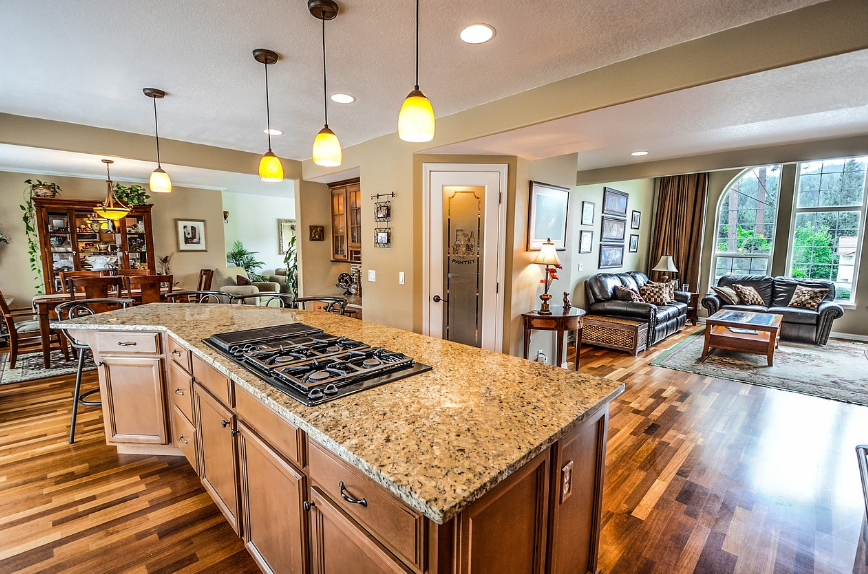
Elevate Your Home’s Curb Appeal: Landscaping Tips to Transform Your Exterior
Introduction to Curb Appeal First impressions matter, especially when it comes to your home. Your front yard is the canvas upon which your property’s personality is painted. Whether you’re planning to sell or simply want to enhance your home’s appearance, investing in landscaping can significantly boost its curb appeal. Strategic Landscaping: A Facelift for Your Home Assessing Your Space: Before diving into landscaping projects, take a step back and assess your outdoor space. Consider factors such as the size of your yard, existing features, and the overall style of your home. This evaluation will help you tailor your landscaping efforts to complement the existing aesthetic while maximizing visual impact. Designing with Purpose: Every element of your landscaping should serve a purpose. Whether it’s adding greenery to soften harsh lines or creating focal points to draw the eye, thoughtful design choices can transform your exterior. Experiment with different textures, colors, and shapes to create visual interest while maintaining cohesion. Lush Greenery: One of the simplest ways to enhance curb appeal is by incorporating lush greenery. Planting trees, shrubs, and flowers not only adds beauty but also provides natural shade and improves air quality. Choose native plants that thrive in your climate to ensure easy maintenance and long-term vitality. Colorful Accents: Inject vibrant pops of color into your landscape design with flowering plants. Whether it’s cheerful tulips in spring or bold dahlias in summer, seasonal blooms can instantly brighten up your exterior. Consider incorporating a mix of annuals and perennials for continuous color throughout the year. Defined Borders: Define your outdoor space and create visual boundaries with well-defined borders. Install edging materials such as bricks, stones, or pavers to delineate flower beds, pathways, and lawn areas. Crisp borders not only add polish to your landscaping but also make maintenance tasks like mowing and weeding more manageable. Functional Hardscaping: Integrate functional hardscaping elements into your landscape design to enhance both aesthetics and usability. Install features such as patios, pathways, or retaining walls to create inviting outdoor living spaces. Choose materials that complement your home’s architecture and withstand the elements for long-lasting appeal. Outdoor Lighting: Extend the beauty of your landscape into the evening hours with strategically placed outdoor lighting. Illuminate key focal points such as trees, architectural features, and pathways to create ambiance and enhance safety. Opt for energy-efficient LED fixtures with adjustable brightness levels for added flexibility. Water Features: Incorporating water features such as fountains, ponds, or waterfalls can add a sense of tranquility and sophistication to your outdoor oasis. Whether you prefer the soothing sound of flowing water or the visual drama of cascading streams, water features can elevate your landscaping to new heights. Sustainable Practices: Embrace sustainable landscaping practices to minimize environmental impact and reduce maintenance requirements. Choose drought-tolerant plants, install rain barrels for water conservation, and opt for permeable paving materials to promote groundwater recharge. By embracing eco-friendly principles, you can create a beautiful landscape that’s both stunning and sustainable. Regular Maintenance: Maintain your landscaping regularly to ensure it remains healthy and vibrant year-round. Schedule routine tasks such as mowing, pruning, and fertilizing to keep plants in peak condition. Address any issues promptly, whether it’s repairing irrigation systems or treating pest infestations, to prevent small problems from escalating. Elevating your home’s curb appeal through strategic landscaping not only enhances its exterior beauty but also increases its overall value and desirability. By investing time and effort into thoughtful design choices and regular maintenance, you can create an inviting outdoor space that reflects your personal style and leaves a lasting impression on visitors and passersby alike.
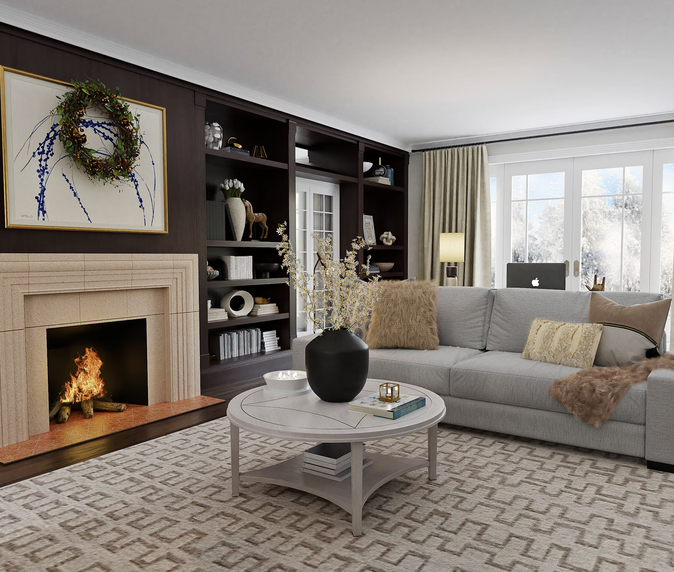
Finding the Perfect Balance: Choosing Furniture that Blends Style and Functionality
Understanding Your Needs and Space When it comes to furnishing your home, striking the right balance between style and functionality is essential. Furniture not only serves a practical purpose but also contributes to the overall aesthetic of your living space. Before diving into the world of interior design, take the time to assess your needs and the layout of your space. Assessing Your Lifestyle: Consider your lifestyle and how you use each room in your home. Are you a busy family with young children in need of durable, easy-to-clean furniture? Or perhaps you’re a design enthusiast who values aesthetics above all else. Understanding how you live and interact with your space will help guide your furniture choices. Evaluating Your Space: Take accurate measurements of your rooms to determine the available space for furniture placement. Consider factors such as room dimensions, architectural features, and traffic flow when planning your layout. Visualize how different furniture pieces will fit into the space and how they will impact the overall functionality and aesthetic. Identifying Priorities: Prioritize your furniture needs based on the function of each room. For example, in the living room, comfort and seating capacity may take precedence, while in the bedroom, storage and relaxation are key considerations. Make a list of must-have features for each space to guide your shopping process. Considering Flexibility: Opt for furniture that offers flexibility and versatility to adapt to your changing needs. Look for modular pieces that can be easily rearranged to accommodate different activities or configurations. Consider multifunctional furniture, such as sleeper sofas or storage ottomans, that maximize space and functionality without sacrificing style. Balancing Style and Functionality in Furniture Selection Defining Your Style: Develop a clear vision for your interior design style to guide your furniture selection process. Whether you prefer modern minimalism, rustic farmhouse, or eclectic bohemian, choose furniture that reflects your personal taste and complements the overall aesthetic of your home. Explore design inspiration from magazines, websites, and social media platforms to refine your style preferences. Harmonizing with Existing Decor: Take cues from your existing decor, such as wall colors, flooring, and architectural elements, when selecting furniture. Aim for cohesion and harmony by choosing pieces that complement the existing color palette and design motifs. Consider the scale and proportion of furniture relative to the size of the room and other elements within the space. Mixing and Matching: Embrace the art of mixing and matching furniture styles to create visual interest and personality in your home. Experiment with juxtaposing different materials, textures, and finishes to add depth and dimension to your interior design scheme. Incorporate a variety of furniture pieces, from statement-making focal points to subtle accent pieces, to create a dynamic and layered look. Prioritizing Comfort: While style is important, never compromise on comfort when selecting furniture for your home. Choose seating with supportive cushions and ergonomic designs that encourage relaxation and socializing. Test out furniture in person whenever possible to assess comfort levels and ensure a comfortable fit for your body and lifestyle. Investing in Quality: Quality craftsmanship is essential for furniture that stands the test of time. Invest in well-made pieces constructed from durable materials that can withstand daily use and wear. Pay attention to details such as joinery, upholstery, and hardware quality to ensure longevity and durability. While quality furniture may come with a higher price tag, it often proves to be a worthwhile investment in the long run. Customizing to Your Needs: Consider custom furniture options to tailor pieces to your specific needs and preferences. Whether it’s adjusting dimensions to fit a tight space or selecting upholstery fabrics that suit your lifestyle, customization allows you to create furniture that’s truly one-of-a-kind. Work with reputable furniture manufacturers or artisans to bring your vision to life with custom-made pieces. By understanding your needs, space, and personal style, you can choose furniture that seamlessly blends style and functionality, elevating your home’s interior design while providing comfort and practicality for everyday living. Take your time exploring options, and don’t be afraid to mix and match styles to create a space that’s uniquely yours.
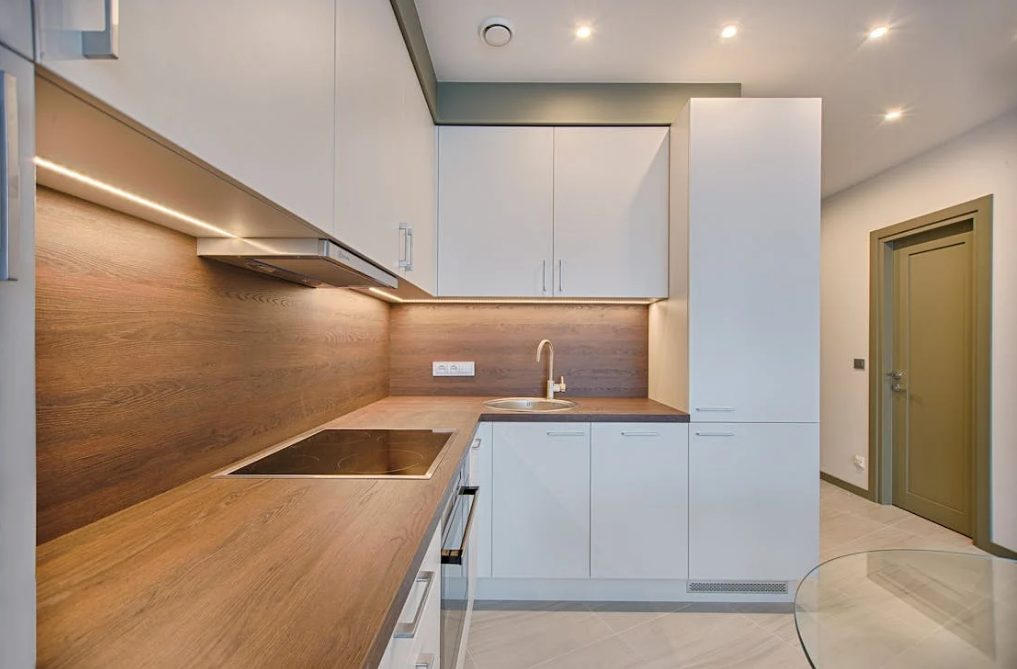
Creating a Relaxing Outdoor Space: Garden and Patio Ideas
A well-designed outdoor space can serve as a sanctuary, providing a peaceful retreat from the hustle and bustle of everyday life. Whether you have a sprawling garden or a cozy patio, there are countless ways to transform your outdoor area into a relaxing oasis. This guide offers practical garden and patio ideas to help you create an inviting, tranquil space that reflects your personal style. Subtitles: Designing a Tranquil Garden Enhancing Your Patio for Relaxation Designing a Tranquil Garden 1. Plan Your Layout Before diving into planting and decorating, take the time to plan your garden layout. Consider how you want to use the space and what elements will contribute to a relaxing atmosphere. Tips: Zoning: Divide your garden into different zones, such as a seating area, a flower bed, and a vegetable patch. This organization helps create a sense of order and purpose. Paths and Walkways: Design pathways to guide movement through your garden. Use materials like gravel, stepping stones, or brick to add texture and visual interest. Focal Points: Incorporate focal points such as a fountain, a sculpture, or a large tree. These elements draw the eye and create a sense of cohesion. 2. Choose Calming Plants Selecting the right plants is crucial for creating a serene garden. Opt for species that thrive in your climate and require minimal maintenance. Tips: Perennials: Choose perennial plants that come back year after year, such as lavender, echinacea, and hostas. These plants provide consistent beauty without the need for replanting. Fragrant Plants: Incorporate fragrant plants like jasmine, lilac, and rosemary. Their pleasant scents can enhance the relaxing ambiance. Color Palette: Stick to a soothing color palette with soft greens, blues, and purples. These colors are known to have a calming effect. 3. Create a Water Feature Water features add a sense of tranquility and elegance to any garden. The sound of flowing water can be incredibly soothing and mask unwanted noise from nearby streets. Tips: Pond: A small pond with aquatic plants and fish can create a peaceful focal point. Fountain: Choose a fountain that complements your garden’s style, whether it’s a modern, minimalist design or a classic, ornate piece. Birdbath: A birdbath not only adds beauty but also attracts birds, enhancing the natural feel of your garden. 4. Incorporate Comfortable Seating A garden isn’t complete without a comfortable place to sit and enjoy the surroundings. Select seating that encourages relaxation and blends with your garden’s aesthetic. Tips: Benches: Place a bench in a quiet corner or near a focal point. Wooden benches add a rustic charm, while metal or stone options offer durability. Hammocks and Swing Chairs: Hammocks and swing chairs provide a cozy, laid-back vibe. Ensure they are securely installed for safety. Outdoor Cushions: Use weather-resistant cushions and throws to add comfort and color to your seating areas. 5. Add Lighting for Ambiance Proper lighting extends the usability of your garden into the evening and creates a magical atmosphere. Use a combination of functional and decorative lighting. Tips: String Lights: Hang string lights around trees, along fences, or across seating areas for a warm, inviting glow. Solar Lights: Solar-powered garden lights are energy-efficient and can be placed along pathways or around plant beds. Lanterns and Candles: Use lanterns and candles for soft, flickering light that enhances the serene ambiance. Enhancing Your Patio for Relaxation 1. Select Comfortable and Stylish Furniture Your patio should be an extension of your indoor living space, offering comfort and style. Choose furniture that fits the scale of your patio and complements your design theme. Tips: Outdoor Sofas and Chairs: Invest in high-quality outdoor sofas and chairs with plush cushions. Look for materials like wicker, teak, or aluminum that can withstand the elements. Dining Set: A dining set is essential for outdoor meals and gatherings. Opt for a table and chairs that are durable and easy to clean. Multi-functional Pieces: Consider multi-functional furniture like storage benches or coffee tables with built-in storage to keep your patio clutter-free. 2. Create Shade and Shelter Shade and shelter are crucial for making your patio a comfortable place to relax, especially during hot or rainy weather. Tips: Pergolas and Gazebos: Install a pergola or gazebo to provide permanent shade and structure. These features can also be adorned with climbing plants for added beauty. Umbrellas: Use large patio umbrellas to create flexible shade solutions. They can be moved and adjusted as needed. Retractable Awnings: Retractable awnings offer adjustable coverage, allowing you to enjoy the sun or shade as you prefer. 3. Incorporate Natural Elements Bringing natural elements onto your patio can enhance its relaxing ambiance and connect it with the surrounding garden. Tips: Potted Plants: Arrange potted plants and flowers around your patio. Choose a variety of sizes and types to create visual interest and a lush, green environment. Vertical Gardens: If space is limited, consider a vertical garden. Wall-mounted planters or trellises with climbing plants can add greenery without taking up floor space. Natural Materials: Use natural materials like wood, stone, and rattan for your furniture and decor to create a harmonious, organic feel. 4. Add Personal Touches Personalize your patio with decor and accessories that reflect your style and make the space uniquely yours. Tips: Outdoor Rugs: An outdoor rug can define seating areas and add color and pattern to your patio. Throw Pillows and Blankets: Use throw pillows and blankets to add comfort and warmth. Choose weather-resistant fabrics that can withstand outdoor conditions. Decorative Accents: Incorporate decorative accents like lanterns, candles, and artwork to add personality and charm to your patio. 5. Install Outdoor Heating Extend the usability of your patio into cooler months by adding outdoor heating solutions. Tips: Fire Pit: A fire pit creates a cozy gathering spot and provides warmth. Choose a portable option or a built-in design, depending on your space. Patio Heaters: Patio heaters are available in various styles, including freestanding, tabletop, and wall-mounted. They provide consistent heat and can be placed strategically around your patio. Chimineas: Chimineas offer a rustic,
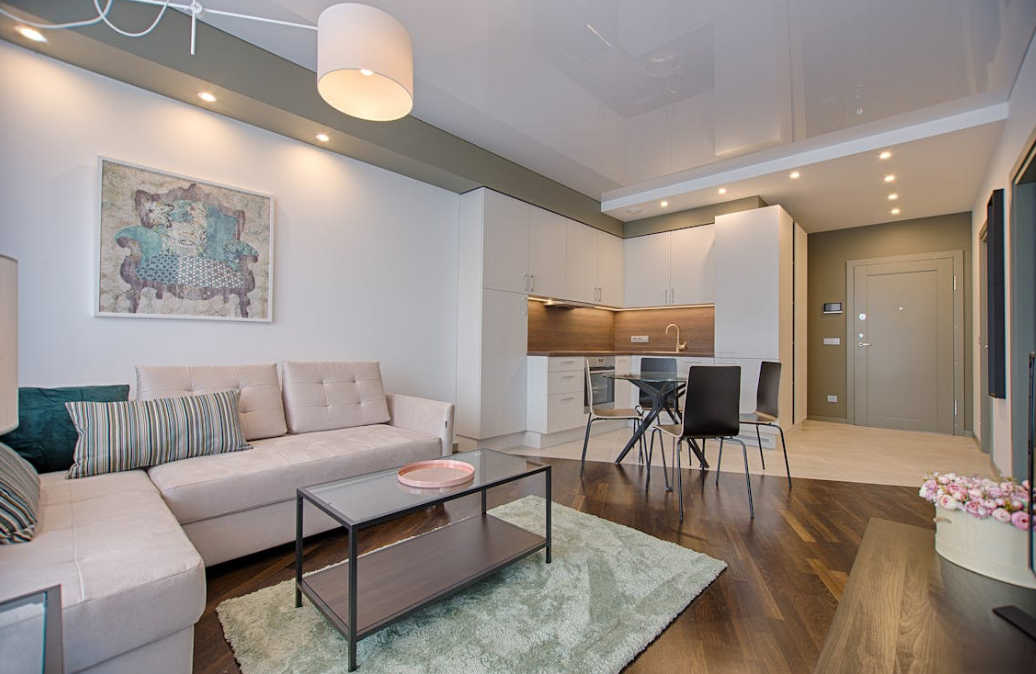
Redesigning Your Bedroom: Comfort and Aesthetics
Redesigning your bedroom is an opportunity to create a personal sanctuary that combines comfort with aesthetics. From choosing the right furniture to selecting calming color schemes, every aspect of bedroom design contributes to a restful and visually appealing space. In this guide, we’ll explore strategies for redesigning your bedroom to prioritize both comfort and aesthetics, helping you create a harmonious and inviting retreat. Subtitles: Understanding Bedroom Design Principles Strategies for Comfortable and Aesthetic Bedroom Redesign Understanding Bedroom Design Principles 1. Balance of Comfort and Style A well-designed bedroom strikes a balance between comfort and style, ensuring a restful environment without compromising on aesthetics. Consider both functional aspects, such as mattress comfort and storage solutions, as well as decorative elements like color schemes and decor choices. Tips: Comfortable Mattress: Invest in a high-quality mattress that provides adequate support and comfort for restful sleep. Choose a mattress firmness level that suits your preferences and sleeping posture. Soft Bedding: Use soft, breathable bedding materials such as cotton or linen for a comfortable sleep experience. Layer bedding with duvets, throws, and pillows for added warmth and texture. Storage Solutions: Incorporate storage solutions like bedside tables, dressers, or built-in closets to keep belongings organized and minimize clutter. Choose furniture pieces that offer both functionality and style. 2. Calming Color Palette Select a calming color palette for your bedroom to create a serene and relaxing atmosphere. Soft, muted tones and soothing hues contribute to a sense of tranquility, promoting restful sleep and relaxation. Tips: Neutral Colors: Opt for neutral colors such as soft whites, gentle grays, or warm beiges for walls, bedding, and furniture upholstery. These colors create a versatile backdrop that complements various decor styles. Cool Tones: Incorporate cool tones like blues, greens, or lavenders for a calming effect. These colors are associated with relaxation and can help reduce stress and promote sleep. Accent Colors: Add pops of accent colors sparingly to inject personality and visual interest. Choose accent colors that harmonize with the overall color palette without overwhelming the space. 3. Functional Layout Design your bedroom layout with functionality in mind, ensuring easy access to essential areas and optimizing space for comfort and convenience. Arrange furniture, lighting, and decor elements to enhance functionality without sacrificing aesthetics. Tips: Bed Placement: Position your bed centrally in the room for easy access from all sides. Leave adequate space around the bed for movement and circulation. Functional Lighting: Incorporate task lighting for reading or bedside activities, ambient lighting for overall illumination, and accent lighting to highlight decor elements. Use dimmer switches for adjustable lighting levels. Work and Relaxation Zones: Create designated zones for work, relaxation, and dressing if space allows. Use furniture placement and room dividers to define separate areas within the bedroom. Strategies for Comfortable and Aesthetic Bedroom Redesign 1. Cozy Bedding Essentials Invest in cozy bedding essentials to enhance comfort and aesthetics in your bedroom. Quality bedding materials, comfortable pillows, and luxurious throws contribute to a welcoming and inviting sleep environment. Tips: High-Quality Sheets: Choose soft, breathable sheets with a high thread count for a luxurious feel. Cotton, linen, and bamboo fabrics are popular choices for comfortable bedding. Comfortable Pillows: Select pillows that support your sleep posture and preferences, whether you prefer firm support or plush comfort. Consider hypoallergenic options for allergy-sensitive individuals. Luxurious Throws and Blankets: Add texture and warmth to your bedding ensemble with decorative throws, blankets, or quilts. Layering bedding adds visual interest and coziness. 2. Personalized Decor Elements Personalize your bedroom with decor elements that reflect your style, interests, and personality. From wall art to decorative accents, thoughtful decor choices contribute to a cohesive and inviting bedroom design. Tips: Wall Art: Hang artwork, photographs, or wall decals that resonate with your aesthetic and create a focal point in the room. Choose artwork that evokes positive emotions and complements the color scheme. Decorative Accents: Incorporate decorative accents such as vases, candles, rugs, or plants to add character and warmth to your bedroom. Mix textures, shapes, and materials for visual appeal. Personal Touches: Display meaningful items such as family photographs, travel souvenirs, or heirlooms that add personal significance to your bedroom decor. These personal touches make the space uniquely yours. 3. Serene Ambiance Create a serene ambiance in your bedroom through strategic lighting, aromatherapy, and sensory elements that promote relaxation and well-being. Pay attention to lighting design, scent choices, and sensory experiences for a calming environment. Tips: Soft Lighting: Use soft, diffused lighting sources such as bedside lamps, wall sconces, or pendant lights with dimmers. Avoid harsh overhead lighting that can disrupt sleep quality. Aromatherapy: Incorporate aromatherapy elements like essential oil diffusers, scented candles, or linen sprays with calming scents such as lavender, chamomile, or eucalyptus. These scents promote relaxation and stress relief. Sensory Comfort: Enhance sensory comfort with tactile materials, comfortable seating areas, and soundproofing elements that reduce noise and disturbances. Create a cocooning effect that encourages restful sleep. By applying these strategies for comfort and aesthetics in bedroom redesign, you can create a peaceful and inviting retreat that promotes relaxation, restful sleep, and personal well-being. Whether you’re updating your bedroom decor, optimizing storage solutions, or enhancing sensory experiences, thoughtful design choices contribute to a harmonious and enjoyable bedroom environment. Redesigning your bedroom is an opportunity to create a space that nurtures both body and mind, supporting your overall health and happiness.
