
Every business needs reliable tools for the protection of their goods and assets. From safeguarding sensitive information to ensuring the physical safety of employees and assets, security plays an important role. Commercial properties often require an advanced system than residential locks. This is where commercial locksmith services offer exceptional facilities. These professionals are trained to handle the complex locking mechanisms and high-security solutions that businesses demand. But, finding a reliable commercial locksmith can be difficult. Here are 5 tips to help you find a reliable commercial locksmith service. Read on to find more! Research the Reputation & Experience When finding commercial locksmith services, examine their reputation. To do so, you can consider reviews, testimonials, and ratings to provide suitable insights into the reliability of a service provider. Businesses that consistently receive positive feedback are likely to deliver dependable results. Experience plays an essential role as well. A locksmith with years of service in the industry has likely handled a wide variety of situations. Their familiarity with different lock types and security setups ensures efficient problem-solving. When researching, do not just rely on the company’s website. Explore independent review platforms and ask for referrals from other business owners as well. Verify Licensing and Certifications One of the most overlooked aspects of hiring a locksmith is checking credentials. A licensed locksmith has met the requirements set by local or state authorities, which guarantees a minimum standard of training and professional conduct. Without proper licensing, there is no assurance that the locksmith is qualified to handle commercial security systems. Certifications from industry associations or lock manufacturers add another layer of credibility. These credentials demonstrate the credibility of a locksmith. Evaluate Service Range Commercial needs are far beyond simply replacing locks. A reliable locksmith should offer a wide range of services, including master key systems, access control solutions, keyless entry systems, and emergency lockout assistance. Response time is also a major factor. Lock and security issues don’t occur at convenient times. If an employee is locked out after hours or if a break-in attempt damages locks, immediate assistance is essential. Understand Pricing and Transparency Pricing is where misunderstandings arise. Some locksmiths may advertise low initial costs but surprise clients with hidden fees once the job is completed. Transparency in pricing is essential for trust. A reputable locksmith provides clear estimates and explains any potential additional charges. Reliable services cost more than cheaper alternatives, but the difference lies in quality, tools, and expertise. Paying slightly more for trustworthy services saves businesses from bigger expenses later. Look for Long-Term Security Partnerships A commercial locksmith is not just a one-time service provider. For most businesses, they become long-term partners in maintaining security. Locks, keys, and systems require periodic updates and maintenance to stay functional. Choosing a locksmith that offers ongoing support and maintenance packages ensures that your business remains protected. Regular system checks, upgrades, and consultations help prevent security breaches before they happen. That’s why, establishing a relationship with one reliable locksmith also means you get response more efficiently during emergencies.
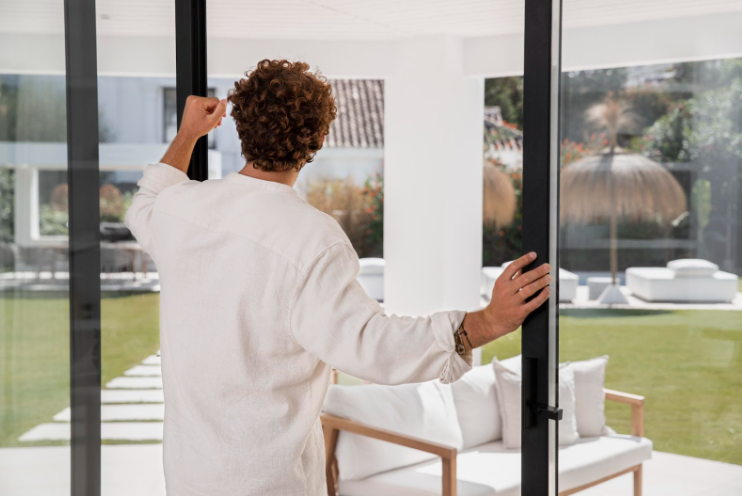
Top Benefits of Installing Sliding Doors
Sliding doors have gained popularity in contemporary houses. They provide a combination of fashion, comfort, and use. They are selected by many homeowners not only because of their appearance but also because of their capabilities. Sliding doors run on a track, unlike traditional hinged doors. This simplifies their usage and occupancy. Now, let’s consider the greatest advantages of having sliding doors in your house. 1. Saves Space Among the greatest benefits of sliding doors is that they occupy less space. They do not require additional space to swing open like normal doors, given that they move on a track. This renders them suitable for small rooms or spaces. They can be installed in spaces where every inch is considered, including apartments or narrow corridors. 2. Brings in More Natural Light Glass panels are used in making sliding doors. This will enable more natural light to enter your house. Light rooms not only appear nice but also appear more open and friendly.You can also use more sunlight to save on electricity bills during the day. A lighter house will provide a good atmosphere and make your home more pleasant. 3. Easy Indoor-Outdoor Connection Sliding doors bring about a seamless transition between the interior and exterior. They are easy to open to get to your garden, patio, or balcony. This enables them to be used in groups, barbecues, or outdoor rest. They also enable you to have outside views without going out of your room. 4. Energy Efficiency Most of the contemporary sliding doors are energy efficient. They are also equipped with insulated glass, which keeps your home warm in winter and cool in summer. This minimizes the necessity of having heating or cooling continuously. Consequently, you are able to save on energy costs but still be able to enjoy a warm house atmosphere. 5. Stylish and Modern Look Sliding doors also make your home smooth and contemporary. Their beautiful design and broad glass windows make a room look elegant. Moreover, they come in various styles and finishes to suit your home decoration. Sliding doors can fit either a modern or a traditional appearance well. 6. Easy to Use and Maintain The operation of the sliding doors is very easy. They move effortlessly on their track. This renders them easy to use by all age groups. They are also cheap to maintain. With a quick scrub of the glass and track, they are looking and performing like new years later. 7. Increases Home Value Sliding doors will add value to your house. Modern features that enhance style and functionality are some of the features that buyers seek. A house having sliding doors appears bigger, clearer, and more designed. This will make your property more appealing in case you intend to sell. 8. Improves Home Security Modern sliding doors come with strong locks and durable frames. Many also have shatter-resistant glass that adds an extra layer of protection. With these features, you can enjoy the beauty of glass doors without worrying about safety. Strong sliding doors give peace of mind while keeping your home secure.
Essential Services to Include in Your Home Renovation Plan
Renovating a home is an exciting journey that blends creativity, functionality, and comfort. However, a successful renovation requires careful planning beyond aesthetics. Essential services, ranging from electrical work to plumbing and structural updates, form the backbone of any effective home improvement plan. Including these services ensures safety, efficiency, and long-term value for your property. Residential Electrical Service: Ensuring Safety and Efficiency Residential electrical service forms the foundation of a modern, functional home. Whether upgrading an older property or enhancing a newer one, ensuring that your electrical system is safe and reliable is crucial. Proper residential electrical service prevents hazards like overloaded circuits, frequent power outages, or potential fire risks. Working with licensed professionals ensures that your home meets current codes and accommodates modern appliances, lighting, and smart home systems. Electrician: The Professional Touch An experienced electrician plays a pivotal role in any renovation project. Beyond simple wiring, electricians assess your home’s current electrical capacity and recommend upgrades where necessary. They handle installation, maintenance, and troubleshooting, ensuring that all electrical components function smoothly. From recessed lighting to energy-efficient systems, a qualified electrician integrates convenience and safety into your renovation, giving you peace of mind. Plumbing and Water Systems: Reliable Flow Plumbing is another service that cannot be overlooked. Renovations often involve kitchen or bathroom upgrades, where proper plumbing ensures functionality and prevents leaks or water damage. Modern plumbing services include installing efficient fixtures, upgrading water heaters, and integrating sustainable solutions like low-flow faucets. Addressing plumbing needs early in the renovation process minimizes future repairs and supports a more comfortable and eco-friendly living space. HVAC Services: Comfortable Living Year-Round Heating, ventilation, and air conditioning (HVAC) are essential for maintaining comfort in your home. Renovation projects that involve room additions, kitchen expansions, or basement remodeling often require HVAC adjustments. Installing energy-efficient systems or updating ductwork enhances air circulation, maintains optimal temperatures, and reduces energy costs. Skilled HVAC technicians ensure your system is properly sized and installed, preventing issues like uneven heating or cooling. Flooring and Structural Services: Building a Strong Foundation Structural services and flooring installation form the physical base of your renovated home. Whether reinforcing foundations, repairing damaged beams, or installing new floors, these services enhance both safety and aesthetics. Proper flooring installation, including hardwood, tile, or engineered options, contributes to the overall design while providing durability. Structural assessments and updates ensure your home can safely support new additions or heavy fixtures, avoiding long-term complications. Interior Finishing Services: Bringing Design to Life Interior finishing services, including painting, cabinetry, and trim work, transform structural renovations into livable, visually appealing spaces. Professional painters, carpenters, and installers ensure precision, quality materials, and attention to detail. Custom cabinetry and built-ins maximize storage while aligning with your design vision. By integrating interior finishing services into your renovation plan, you achieve a polished and cohesive look that complements the essential systems already in place. Roofing and Exterior Services: Protecting Your Investment Renovations often extend beyond the interior, requiring attention to roofing and exterior surfaces. Roof repairs or replacements prevent leaks and protect your home from weather damage. Exterior services may also include siding, gutter installation, and window upgrades, enhancing energy efficiency and curb appeal. Ensuring these exterior elements are addressed alongside interior renovations protects your investment and improves long-term durability. Smart Home and Technology Integration Modern renovations frequently incorporate smart home technology. Services such as home automation, security systems, and integrated lighting or climate control enhance convenience and safety. Professional installation ensures compatibility with existing electrical and HVAC systems while providing seamless operation. Smart home upgrades can increase property value, reduce energy consumption, and simplify daily routines, making them an essential consideration in contemporary renovation plans. Conclusion Planning a home renovation extends far beyond selecting paint colors or flooring styles. Essential services, including residential electrical service, plumbing, HVAC, structural work, and interior finishing, are fundamental to creating a safe, functional, and visually appealing home. By engaging qualified professionals like electricians, plumbers, and HVAC technicians, you ensure that each aspect of your renovation is executed efficiently and meets current safety standards. Integrating these services into your renovation plan not only improves your home’s comfort and style but also protects your investment for years to come.
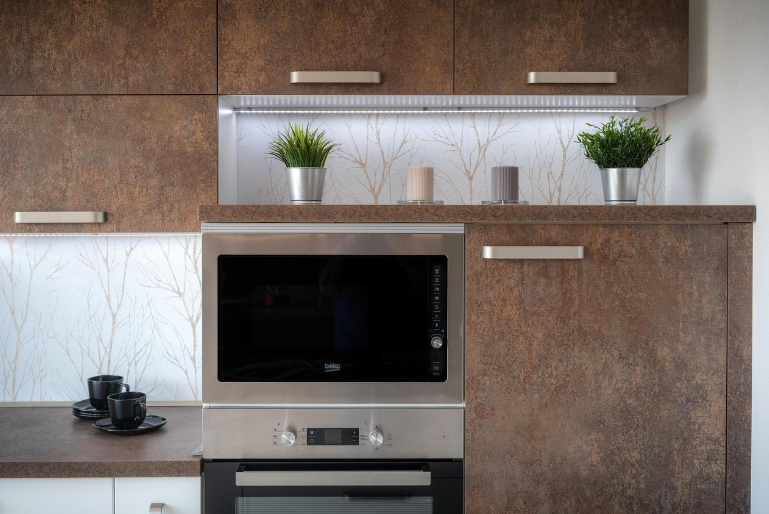
Signs You Need Fridge Repair
As a homeowner, you already know that your kitchen is one of the most important spaces inside your house. When it comes to the kitchen, your refrigerator is one of the hardest-working appliances in the kitchen, which is why you should know the essential signs that indicate that your refrigerator needs to be repaired or that it is nearing the end of its lifespan, especially if it is more than ten years old. Read on to learn more. Improper Cooling The first sign that indicates that you need fridge repair is when it is no longer cooling properly. Watch out for signs that might indicate that the fridge is not as cold as it used to be, and the food starts to spoil faster than anticipated. These signs indicate that the cooling system of your fridge might be failing, which can be caused by various reasons, such as poor air flow within the cooling compartment, blocked vents, problems with the thermostat, a faulty compressor, or a dysfunctional fan motor. Nonetheless, if the fridge stays warm, contact a repair person instantly to prevent further damage and food waste. Strange Sounds If you wake up one day and start hearing strange sounds coming from the fridge, it might be the right time to contact a technician to have a look at the fridge. Ideally, the only sound that your fridge should be making is the usual hum in the background. However, if it has started making a loud buzzing sound, or you sense a grinding sound, even a clicking sound, it indicates that something is wrong. Some of the most common causes of unusual fridge noises include a dysfunctional compressor, a broken fan, or ice buildup around the moving components of the fridge. Water Accumulation Water on the floor indicates that the fridge needs some repair. Also, if there is water inside the fridge, call a technician right away, as water pooling inside or around the fridge is a bad sign. Water accumulation around the fridge or even inside usually reflects a clogged drain. It could also be the cause of a defrost drain. If you have a water dispenser or an ice maker and there is water on the floor, it could be a sign of a cracked water line. If the fridge has air flow issues or cannot be sealed properly, it can cause internal condensation, which can manifest itself in the form of water inside the fridge or around the fridge on the floor. High Energy Bills High energy bills are a nightmare for most homeowners, and if you are experiencing one, your refrigerator might be to blame. A fridge that runs inefficiently or constantly can cause higher utility bills due to high energy usage. Usually, a fridge might start consuming more energy due to a broken door seal. Perhaps the compressor of the fridge has started running overtime, which is causing the energy bills to go up. Also, if the temperature sensors are no longer working efficiently, your energy bills will certainly go up. With that set, if your fridge is always running, and your electricity bills are going up, it is time to get a technician on board.

Building Better Living: Tips to Enhance Comfort and Durability in Your Home
Your home is an essential investment, not just financially, but in your daily comfort and long-term well-being. A truly effective living space is one that feels perpetually inviting, stands up to the rigors of daily life, and contributes to a sense of security. Enhancing both comfort and durability in your home is about making smart, strategic choices that improve functionality, reduce maintenance, and ensure your sanctuary remains a haven for years to come. By focusing on key elements and embracing quality solutions, you can create a residence that is both resilient and remarkably comfortable. Invest in Quality Insulation One of the most impactful ways to boost both comfort and durability is by ensuring your home has proper insulation. Well-insulated walls, attics, and floors help maintain consistent indoor temperatures, keeping your home warm in cooler months and cool in warmer ones. This not only significantly enhances comfort by eliminating drafts and temperature fluctuations but also reduces energy consumption, leading to lower utility bills. Quality insulation also helps dampen outside noise, contributing to a quieter and more peaceful living environment, and protects against moisture-related issues. Choose Durable Flooring Materials Flooring experiences constant wear and tear, making material choice critical for durability. Opt for materials known for their resilience and longevity, such as hardwood, engineered wood, high-quality laminate, or porcelain tile. These materials are more resistant to scratches, dents, and moisture damage compared to softer options. While the initial investment might be higher, durable flooring will look better for longer, require less frequent replacement, and withstand heavy foot traffic, contributing to both aesthetic appeal and long-term value. Door Installation Services: Enhancing Entryways and Security For a crucial blend of comfort, durability, and security, professional door installation services are invaluable. Upgrading to high-quality exterior doors crafted from durable materials like fiberglass or steel can withstand harsh weather, resist forced entry, and improve your home’s thermal efficiency. Inside, solid core interior doors enhance soundproofing and offer greater longevity than hollow core alternatives. Expert door installation services ensure proper fit and sealing, which are critical for both energy efficiency and security. Retractable Screens for Patio: Flexible Outdoor Comfort To extend your living space while enhancing comfort and durability, consider retractable screens for your patio or outdoor areas. These screens offer flexible protection from insects, harsh sun, and even light rain, allowing you to enjoy your patio in various conditions. When not needed, they conveniently retract, preserving your view. Made from durable materials, retractable screens for patio areas are designed to withstand outdoor elements, providing long-lasting utility and comfort without permanent obstruction. Regular Maintenance and Professional Inspections Even the most durable homes require consistent care. Implement a schedule for regular maintenance tasks, such as cleaning gutters, inspecting roofs, checking plumbing for leaks, and testing HVAC systems. Beyond your own efforts, schedule periodic professional inspections for your roof, foundation, and major appliances. Proactive maintenance and professional oversight can identify minor issues before they become major structural or comfort problems, ensuring your home remains a comfortable and durable haven for decades.

5 Tips for Proper Heating Repair
When the cold weather arrives, a working heating system becomes very important. It keeps your home warm and comfortable. But just like any other machine, your heating system can face problems. If it stops working or does not heat properly, you might feel frustrated. In such times, proper heating repair is necessary. Understanding how to take care of heating repairs the right way can save you time, money, and stress. Here are five simple but very helpful tips for proper heating repair that can make a big difference. Check the Thermostat First One of the most common heating problems starts with the thermostat. If your heating system is not turning on, always check the thermostat before anything else. Sometimes, the settings are wrong or the batteries are dead. You should make sure it is set to heat, and the temperature is set higher than the current room temperature. If it still does not work, changing the batteries or resetting the device might help. Replace or Clean the Air Filters Dirty or blocked air filters can cause serious heating problems. If the air cannot flow properly, the heater has to work harder and might break down. You should check the air filter every month, especially during the colder seasons when the system works more. If the filter looks dusty or clogged, replace it or clean it, depending on the type of filter. Clean filters allow air to move freely and help your system run better. This also improves the air quality inside your home and reduces your energy bill. Listen for Strange Noises If your heating system starts making unusual sounds like banging, rattling, or squealing, it could be a sign of a problem. These noises may point to loose parts, a broken motor, or something stuck inside the unit. Do not ignore these sounds because they usually mean that you need heating repair. The longer you wait, the worse the damage might get. Calling a heating professional to check and fix the issue early can prevent more costly repairs later. Never Ignore Small Problems Small issues like uneven heating or a slightly higher energy bill can turn into major problems if left unchecked. If one room feels colder than the others or if your heater takes too long to warm up, there may be something wrong. Do not wait for the system to completely stop working. Fixing small problems early is safer and usually costs less. Regular inspections and quick action can help keep your heating system in top condition. Call a Professional When Needed Some heating problems are too complex to fix on your own. If you have tried basic troubleshooting and your heater still does not work properly, it is time to call a professional. The heating repair experts have the right tools and knowledge to handle complicated issues safely. A skilled technician can fix the problem correctly and make sure your system works efficiently again. Conclusion Proper heating repair is not just about fixing things when they break. It’s about regular care and attention to small details. By checking your thermostat, cleaning filters, listening for unusual noises, acting on small issues, and knowing when to call an expert, you can avoid major problems. These simple tips help you stay warm, save money, and keep your home safe during the colder months.
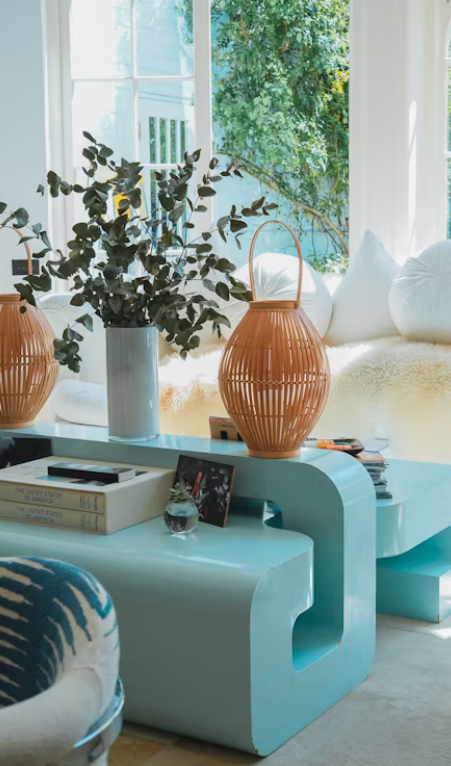
Decluttering Your Living Spaces: Minimalist Design Strategies
Living in a clutter-free environment can have a profound impact on your well-being, productivity, and overall quality of life. Minimalist design strategies focus on simplicity, functionality, and intentional living, helping you create serene and organized living spaces. In this guide, we’ll explore effective strategies for decluttering your living spaces and embracing minimalist design principles to create a harmonious and inviting home. Subtitles: Understanding Minimalist Design Principles Effective Strategies for Decluttering Your Living Spaces Understanding Minimalist Design Principles 1. Simplified Aesthetics Minimalist design emphasizes simplicity and clean aesthetics. This approach prioritizes essential elements while minimizing excess ornamentation or decorative clutter. Choose furniture, decor, and color schemes that create a sense of calm and visual clarity. Tips: Neutral Color Palette: Opt for a neutral color palette with shades of white, beige, gray, or soft pastels. These colors create a timeless and tranquil backdrop for minimalist interiors. Clean Lines and Shapes: Select furniture and decor with clean lines and geometric shapes. Avoid ornate detailing or intricate patterns that can detract from the minimalist aesthetic. Open Space: Embrace open space to allow room for breathing and movement within your living areas. Avoid overcrowding with excessive furniture or accessories. 2. Functional Design Minimalist design prioritizes functionality and purposeful living. Each item in your living space should serve a practical function or add value to your daily life. Choose multifunctional furniture and storage solutions that optimize space and reduce clutter. Tips: Multipurpose Furniture: Invest in multipurpose furniture pieces that serve dual functions, such as a storage ottoman, convertible sofa bed, or extendable dining table. This maximizes functionality while minimizing the need for excess furnishings. Hidden Storage: Incorporate hidden storage solutions to keep belongings out of sight and maintain a clean aesthetic. Utilize built-in cabinets, wall-mounted shelves with concealed brackets, or furniture with integrated storage compartments. Streamlined Layout: Arrange furniture in a way that promotes flow and functionality. Consider traffic patterns, ergonomic seating arrangements, and clear pathways for easy navigation. 3. Mindful Material Selection Select materials and textures that align with minimalist principles of simplicity and durability. Focus on quality over quantity, choosing timeless materials that age gracefully and require minimal maintenance. Tips: Natural Materials: Embrace natural materials like wood, stone, metal, and glass for a minimalist aesthetic. These materials add warmth, texture, and visual interest without overwhelming the space. Sustainable Choices: Opt for sustainable and eco-friendly materials whenever possible. Look for certifications like FSC (Forest Stewardship Council) for wood products or GreenGuard for low-emission furniture. Quality Over Quantity: Prioritize quality materials that are built to last. Invest in furniture and decor pieces that withstand daily use and retain their aesthetic appeal over time. Effective Strategies for Decluttering Your Living Spaces 1. Edit Belongings Regularly Start decluttering by editing your belongings regularly. Assess each item and consider its usefulness, sentimental value, and contribution to your daily life. Donate, sell, or discard items that no longer serve a purpose or bring you joy. Tips: The KonMari Method: Use the KonMari method, popularized by Marie Kondo, to declutter and organize belongings by category (e.g., clothing, books, papers, sentimental items). Keep only items that spark joy and let go of the rest. One In, One Out Rule: Adopt the “one in, one out” rule for new purchases. Whenever you bring a new item into your home, remove an existing item to maintain balance and prevent accumulation. Digital Decluttering: Extend decluttering to digital spaces by organizing digital files, emails, and digital media. Delete unnecessary files, unsubscribe from unused subscriptions, and streamline digital workflows. 2. Embrace Minimalist Storage Solutions Maximize storage efficiency with minimalist storage solutions that prioritize accessibility and organization. Choose streamlined storage furniture, modular systems, and space-saving techniques to declutter living spaces. Tips: Vertical Storage: Utilize vertical space with wall-mounted shelves, floating cabinets, or tall bookcases. This frees up floor space and keeps belongings organized and accessible. Multipurpose Storage: Invest in furniture with built-in storage, such as storage benches, coffee tables with hidden compartments, or modular shelving units. These pieces serve dual functions and reduce visual clutter. Decluttered Surfaces: Keep surfaces clear of unnecessary items to maintain a minimalist aesthetic. Use trays or baskets to corral essentials like keys, remotes, or daily essentials. 3. Streamline Decor and Accessories Curate decor and accessories mindfully to enhance the minimalist aesthetic of your living spaces. Choose a few statement pieces that add visual interest without overwhelming the space. Focus on quality, meaningful items that contribute to a cohesive and harmonious environment. Tips: Artful Displays: Display art and decorative objects strategically to create focal points and visual interest. Choose art pieces that resonate with you and complement the overall design aesthetic. Functional Decor: Select decor items that serve a dual purpose, such as decorative storage boxes, wall mirrors that enhance light and space, or plants that add a touch of nature and air purification. Negative Space: Embrace negative space as a design element. Allow areas of empty space to balance and highlight key decor elements, creating a sense of visual harmony. By incorporating minimalist design principles and effective decluttering strategies, you can transform your living spaces into serene, organized, and harmonious environments. Embrace simplicity, functionality, and mindful material choices to create a minimalist haven that promotes well-being and intentional living. Decluttering your living spaces is not just about removing excess, but also about creating space for what truly matters and brings joy to your daily life.
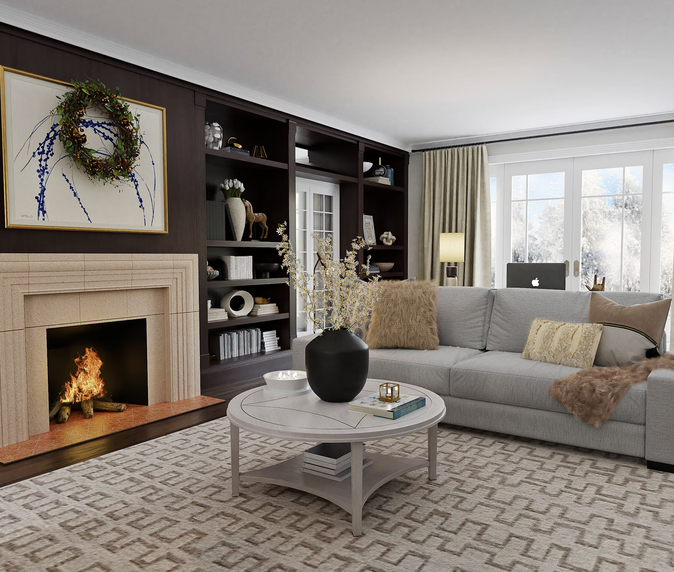
Finding the Perfect Balance: Choosing Furniture that Blends Style and Functionality
Understanding Your Needs and Space When it comes to furnishing your home, striking the right balance between style and functionality is essential. Furniture not only serves a practical purpose but also contributes to the overall aesthetic of your living space. Before diving into the world of interior design, take the time to assess your needs and the layout of your space. Assessing Your Lifestyle: Consider your lifestyle and how you use each room in your home. Are you a busy family with young children in need of durable, easy-to-clean furniture? Or perhaps you’re a design enthusiast who values aesthetics above all else. Understanding how you live and interact with your space will help guide your furniture choices. Evaluating Your Space: Take accurate measurements of your rooms to determine the available space for furniture placement. Consider factors such as room dimensions, architectural features, and traffic flow when planning your layout. Visualize how different furniture pieces will fit into the space and how they will impact the overall functionality and aesthetic. Identifying Priorities: Prioritize your furniture needs based on the function of each room. For example, in the living room, comfort and seating capacity may take precedence, while in the bedroom, storage and relaxation are key considerations. Make a list of must-have features for each space to guide your shopping process. Considering Flexibility: Opt for furniture that offers flexibility and versatility to adapt to your changing needs. Look for modular pieces that can be easily rearranged to accommodate different activities or configurations. Consider multifunctional furniture, such as sleeper sofas or storage ottomans, that maximize space and functionality without sacrificing style. Balancing Style and Functionality in Furniture Selection Defining Your Style: Develop a clear vision for your interior design style to guide your furniture selection process. Whether you prefer modern minimalism, rustic farmhouse, or eclectic bohemian, choose furniture that reflects your personal taste and complements the overall aesthetic of your home. Explore design inspiration from magazines, websites, and social media platforms to refine your style preferences. Harmonizing with Existing Decor: Take cues from your existing decor, such as wall colors, flooring, and architectural elements, when selecting furniture. Aim for cohesion and harmony by choosing pieces that complement the existing color palette and design motifs. Consider the scale and proportion of furniture relative to the size of the room and other elements within the space. Mixing and Matching: Embrace the art of mixing and matching furniture styles to create visual interest and personality in your home. Experiment with juxtaposing different materials, textures, and finishes to add depth and dimension to your interior design scheme. Incorporate a variety of furniture pieces, from statement-making focal points to subtle accent pieces, to create a dynamic and layered look. Prioritizing Comfort: While style is important, never compromise on comfort when selecting furniture for your home. Choose seating with supportive cushions and ergonomic designs that encourage relaxation and socializing. Test out furniture in person whenever possible to assess comfort levels and ensure a comfortable fit for your body and lifestyle. Investing in Quality: Quality craftsmanship is essential for furniture that stands the test of time. Invest in well-made pieces constructed from durable materials that can withstand daily use and wear. Pay attention to details such as joinery, upholstery, and hardware quality to ensure longevity and durability. While quality furniture may come with a higher price tag, it often proves to be a worthwhile investment in the long run. Customizing to Your Needs: Consider custom furniture options to tailor pieces to your specific needs and preferences. Whether it’s adjusting dimensions to fit a tight space or selecting upholstery fabrics that suit your lifestyle, customization allows you to create furniture that’s truly one-of-a-kind. Work with reputable furniture manufacturers or artisans to bring your vision to life with custom-made pieces. By understanding your needs, space, and personal style, you can choose furniture that seamlessly blends style and functionality, elevating your home’s interior design while providing comfort and practicality for everyday living. Take your time exploring options, and don’t be afraid to mix and match styles to create a space that’s uniquely yours.
Creating a Relaxing Outdoor Space: Garden and Patio Ideas
A well-designed outdoor space can serve as a sanctuary, providing a peaceful retreat from the hustle and bustle of everyday life. Whether you have a sprawling garden or a cozy patio, there are countless ways to transform your outdoor area into a relaxing oasis. This guide offers practical garden and patio ideas to help you create an inviting, tranquil space that reflects your personal style. Subtitles: Designing a Tranquil Garden Enhancing Your Patio for Relaxation Designing a Tranquil Garden 1. Plan Your Layout Before diving into planting and decorating, take the time to plan your garden layout. Consider how you want to use the space and what elements will contribute to a relaxing atmosphere. Tips: Zoning: Divide your garden into different zones, such as a seating area, a flower bed, and a vegetable patch. This organization helps create a sense of order and purpose. Paths and Walkways: Design pathways to guide movement through your garden. Use materials like gravel, stepping stones, or brick to add texture and visual interest. Focal Points: Incorporate focal points such as a fountain, a sculpture, or a large tree. These elements draw the eye and create a sense of cohesion. 2. Choose Calming Plants Selecting the right plants is crucial for creating a serene garden. Opt for species that thrive in your climate and require minimal maintenance. Tips: Perennials: Choose perennial plants that come back year after year, such as lavender, echinacea, and hostas. These plants provide consistent beauty without the need for replanting. Fragrant Plants: Incorporate fragrant plants like jasmine, lilac, and rosemary. Their pleasant scents can enhance the relaxing ambiance. Color Palette: Stick to a soothing color palette with soft greens, blues, and purples. These colors are known to have a calming effect. 3. Create a Water Feature Water features add a sense of tranquility and elegance to any garden. The sound of flowing water can be incredibly soothing and mask unwanted noise from nearby streets. Tips: Pond: A small pond with aquatic plants and fish can create a peaceful focal point. Fountain: Choose a fountain that complements your garden’s style, whether it’s a modern, minimalist design or a classic, ornate piece. Birdbath: A birdbath not only adds beauty but also attracts birds, enhancing the natural feel of your garden. 4. Incorporate Comfortable Seating A garden isn’t complete without a comfortable place to sit and enjoy the surroundings. Select seating that encourages relaxation and blends with your garden’s aesthetic. Tips: Benches: Place a bench in a quiet corner or near a focal point. Wooden benches add a rustic charm, while metal or stone options offer durability. Hammocks and Swing Chairs: Hammocks and swing chairs provide a cozy, laid-back vibe. Ensure they are securely installed for safety. Outdoor Cushions: Use weather-resistant cushions and throws to add comfort and color to your seating areas. 5. Add Lighting for Ambiance Proper lighting extends the usability of your garden into the evening and creates a magical atmosphere. Use a combination of functional and decorative lighting. Tips: String Lights: Hang string lights around trees, along fences, or across seating areas for a warm, inviting glow. Solar Lights: Solar-powered garden lights are energy-efficient and can be placed along pathways or around plant beds. Lanterns and Candles: Use lanterns and candles for soft, flickering light that enhances the serene ambiance. Enhancing Your Patio for Relaxation 1. Select Comfortable and Stylish Furniture Your patio should be an extension of your indoor living space, offering comfort and style. Choose furniture that fits the scale of your patio and complements your design theme. Tips: Outdoor Sofas and Chairs: Invest in high-quality outdoor sofas and chairs with plush cushions. Look for materials like wicker, teak, or aluminum that can withstand the elements. Dining Set: A dining set is essential for outdoor meals and gatherings. Opt for a table and chairs that are durable and easy to clean. Multi-functional Pieces: Consider multi-functional furniture like storage benches or coffee tables with built-in storage to keep your patio clutter-free. 2. Create Shade and Shelter Shade and shelter are crucial for making your patio a comfortable place to relax, especially during hot or rainy weather. Tips: Pergolas and Gazebos: Install a pergola or gazebo to provide permanent shade and structure. These features can also be adorned with climbing plants for added beauty. Umbrellas: Use large patio umbrellas to create flexible shade solutions. They can be moved and adjusted as needed. Retractable Awnings: Retractable awnings offer adjustable coverage, allowing you to enjoy the sun or shade as you prefer. 3. Incorporate Natural Elements Bringing natural elements onto your patio can enhance its relaxing ambiance and connect it with the surrounding garden. Tips: Potted Plants: Arrange potted plants and flowers around your patio. Choose a variety of sizes and types to create visual interest and a lush, green environment. Vertical Gardens: If space is limited, consider a vertical garden. Wall-mounted planters or trellises with climbing plants can add greenery without taking up floor space. Natural Materials: Use natural materials like wood, stone, and rattan for your furniture and decor to create a harmonious, organic feel. 4. Add Personal Touches Personalize your patio with decor and accessories that reflect your style and make the space uniquely yours. Tips: Outdoor Rugs: An outdoor rug can define seating areas and add color and pattern to your patio. Throw Pillows and Blankets: Use throw pillows and blankets to add comfort and warmth. Choose weather-resistant fabrics that can withstand outdoor conditions. Decorative Accents: Incorporate decorative accents like lanterns, candles, and artwork to add personality and charm to your patio. 5. Install Outdoor Heating Extend the usability of your patio into cooler months by adding outdoor heating solutions. Tips: Fire Pit: A fire pit creates a cozy gathering spot and provides warmth. Choose a portable option or a built-in design, depending on your space. Patio Heaters: Patio heaters are available in various styles, including freestanding, tabletop, and wall-mounted. They provide consistent heat and can be placed strategically around your patio. Chimineas: Chimineas offer a rustic,
Redesigning Your Bedroom: Comfort and Aesthetics
Redesigning your bedroom is an opportunity to create a personal sanctuary that combines comfort with aesthetics. From choosing the right furniture to selecting calming color schemes, every aspect of bedroom design contributes to a restful and visually appealing space. In this guide, we’ll explore strategies for redesigning your bedroom to prioritize both comfort and aesthetics, helping you create a harmonious and inviting retreat. Subtitles: Understanding Bedroom Design Principles Strategies for Comfortable and Aesthetic Bedroom Redesign Understanding Bedroom Design Principles 1. Balance of Comfort and Style A well-designed bedroom strikes a balance between comfort and style, ensuring a restful environment without compromising on aesthetics. Consider both functional aspects, such as mattress comfort and storage solutions, as well as decorative elements like color schemes and decor choices. Tips: Comfortable Mattress: Invest in a high-quality mattress that provides adequate support and comfort for restful sleep. Choose a mattress firmness level that suits your preferences and sleeping posture. Soft Bedding: Use soft, breathable bedding materials such as cotton or linen for a comfortable sleep experience. Layer bedding with duvets, throws, and pillows for added warmth and texture. Storage Solutions: Incorporate storage solutions like bedside tables, dressers, or built-in closets to keep belongings organized and minimize clutter. Choose furniture pieces that offer both functionality and style. 2. Calming Color Palette Select a calming color palette for your bedroom to create a serene and relaxing atmosphere. Soft, muted tones and soothing hues contribute to a sense of tranquility, promoting restful sleep and relaxation. Tips: Neutral Colors: Opt for neutral colors such as soft whites, gentle grays, or warm beiges for walls, bedding, and furniture upholstery. These colors create a versatile backdrop that complements various decor styles. Cool Tones: Incorporate cool tones like blues, greens, or lavenders for a calming effect. These colors are associated with relaxation and can help reduce stress and promote sleep. Accent Colors: Add pops of accent colors sparingly to inject personality and visual interest. Choose accent colors that harmonize with the overall color palette without overwhelming the space. 3. Functional Layout Design your bedroom layout with functionality in mind, ensuring easy access to essential areas and optimizing space for comfort and convenience. Arrange furniture, lighting, and decor elements to enhance functionality without sacrificing aesthetics. Tips: Bed Placement: Position your bed centrally in the room for easy access from all sides. Leave adequate space around the bed for movement and circulation. Functional Lighting: Incorporate task lighting for reading or bedside activities, ambient lighting for overall illumination, and accent lighting to highlight decor elements. Use dimmer switches for adjustable lighting levels. Work and Relaxation Zones: Create designated zones for work, relaxation, and dressing if space allows. Use furniture placement and room dividers to define separate areas within the bedroom. Strategies for Comfortable and Aesthetic Bedroom Redesign 1. Cozy Bedding Essentials Invest in cozy bedding essentials to enhance comfort and aesthetics in your bedroom. Quality bedding materials, comfortable pillows, and luxurious throws contribute to a welcoming and inviting sleep environment. Tips: High-Quality Sheets: Choose soft, breathable sheets with a high thread count for a luxurious feel. Cotton, linen, and bamboo fabrics are popular choices for comfortable bedding. Comfortable Pillows: Select pillows that support your sleep posture and preferences, whether you prefer firm support or plush comfort. Consider hypoallergenic options for allergy-sensitive individuals. Luxurious Throws and Blankets: Add texture and warmth to your bedding ensemble with decorative throws, blankets, or quilts. Layering bedding adds visual interest and coziness. 2. Personalized Decor Elements Personalize your bedroom with decor elements that reflect your style, interests, and personality. From wall art to decorative accents, thoughtful decor choices contribute to a cohesive and inviting bedroom design. Tips: Wall Art: Hang artwork, photographs, or wall decals that resonate with your aesthetic and create a focal point in the room. Choose artwork that evokes positive emotions and complements the color scheme. Decorative Accents: Incorporate decorative accents such as vases, candles, rugs, or plants to add character and warmth to your bedroom. Mix textures, shapes, and materials for visual appeal. Personal Touches: Display meaningful items such as family photographs, travel souvenirs, or heirlooms that add personal significance to your bedroom decor. These personal touches make the space uniquely yours. 3. Serene Ambiance Create a serene ambiance in your bedroom through strategic lighting, aromatherapy, and sensory elements that promote relaxation and well-being. Pay attention to lighting design, scent choices, and sensory experiences for a calming environment. Tips: Soft Lighting: Use soft, diffused lighting sources such as bedside lamps, wall sconces, or pendant lights with dimmers. Avoid harsh overhead lighting that can disrupt sleep quality. Aromatherapy: Incorporate aromatherapy elements like essential oil diffusers, scented candles, or linen sprays with calming scents such as lavender, chamomile, or eucalyptus. These scents promote relaxation and stress relief. Sensory Comfort: Enhance sensory comfort with tactile materials, comfortable seating areas, and soundproofing elements that reduce noise and disturbances. Create a cocooning effect that encourages restful sleep. By applying these strategies for comfort and aesthetics in bedroom redesign, you can create a peaceful and inviting retreat that promotes relaxation, restful sleep, and personal well-being. Whether you’re updating your bedroom decor, optimizing storage solutions, or enhancing sensory experiences, thoughtful design choices contribute to a harmonious and enjoyable bedroom environment. Redesigning your bedroom is an opportunity to create a space that nurtures both body and mind, supporting your overall health and happiness.
