
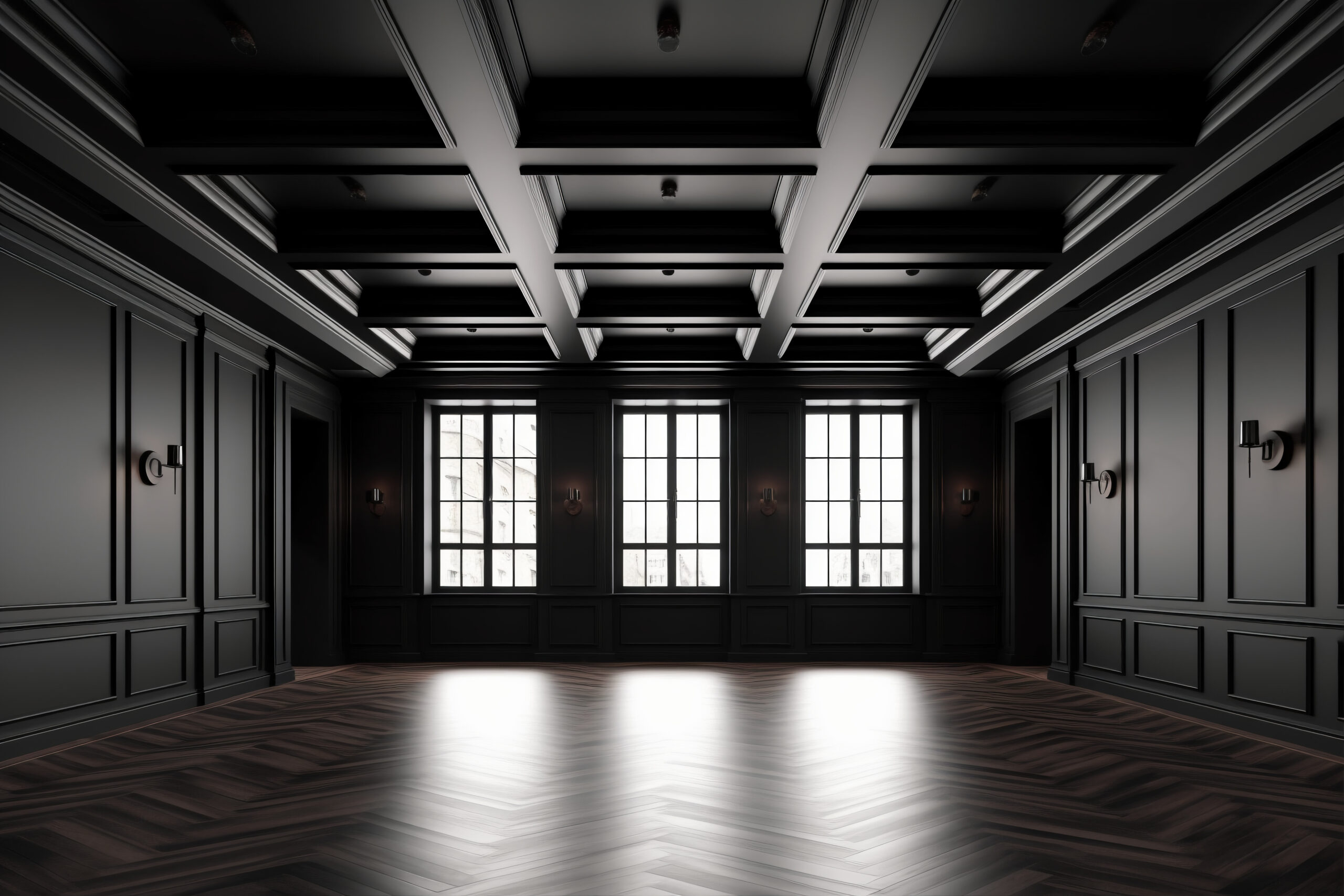
A ceiling can strongly influence the atmosphere, proportions, and visual character of an interior. While light ceiling finishes are common, darker surfaces can create a more dramatic and contemporary appearance. black suspended ceiling tiles can add depth to a room while working with a suspended grid system that provides practical access to wiring, lighting, ventilation, and other services above the ceiling. This type of ceiling can suit offices, entertainment spaces, retail interiors, studios, restaurants, and selected residential areas. With the right lighting, room proportions, tile pattern, and surrounding finishes, a dark ceiling can become an intentional design feature rather than simply a functional surface. Creating a Modern Ceiling Appearance Dark ceiling surfaces can change how a room feels. They often create a stronger visual contrast with walls, furniture, flooring, and lighting fixtures. This makes them useful when the goal is to establish a modern or industrial-inspired interior. A suspended ceiling also creates a structured appearance because the tiles are installed within a visible or concealed grid. The grid layout can be coordinated with lighting fixtures and other ceiling-mounted elements. Instead of treating the ceiling as an afterthought, homeowners and designers can use the arrangement to create a balanced overall composition. In larger rooms, a dark ceiling can add visual definition to an otherwise open space. In commercial environments, it may also help establish a particular atmosphere without requiring major architectural changes. Selecting the Right Tile Finish Not every black ceiling tile has the same appearance. Some products have a smooth surface, while others include subtle textures, perforations, patterns, or acoustic finishes. The choice should reflect both the design goals and functional requirements of the room. A smooth surface can create a simple and contemporary appearance. Textured tiles may provide additional visual interest and can help reduce the uniform look of a large ceiling. Perforated options are often considered where acoustic performance is important. The amount of light in the room should also influence the selection. A very dark matte surface absorbs more visual attention and can make a ceiling feel deeper. A slightly reflective finish can interact differently with artificial lighting and may create a more noticeable visual effect. Coordinating the Ceiling Grid The grid is an important part of a suspended ceiling because it supports the tiles and establishes the overall pattern. With a dark ceiling, the grid can either blend into the surface or provide visible definition. A matching dark grid can produce a continuous appearance where individual tiles and framing elements appear visually connected. This approach is often suitable for contemporary interiors and spaces influenced by industrial design. A contrasting grid can make the ceiling pattern more noticeable. This can be useful in rooms where geometric organization is an important part of the design. The spacing and alignment of the grid should remain consistent so that lighting fixtures, vents, speakers, and other components appear properly integrated. Using Lighting With a Dark Ceiling Lighting plays a particularly important role when using a dark ceiling. Since dark surfaces can absorb more light visually, the room may require careful placement of artificial illumination. Recessed fixtures can provide a clean appearance while distributing light across work areas. Linear lighting can emphasize the geometry of the ceiling and create a contemporary look. Pendant fixtures can provide decorative interest, particularly in dining areas, reception spaces, restaurants, and other social environments. The position of lighting should also be coordinated with furniture and room functions. A workspace may need stronger task lighting, while a lounge or entertainment area may benefit from softer illumination. Indirect lighting can also be used around selected ceiling details. When light is directed toward walls or architectural features, it can balance the darker overhead surface and create greater depth. Making a Small Room Feel Balanced Dark ceilings are sometimes avoided in smaller rooms because they can appear visually heavy. However, the result depends on the complete design rather than the ceiling color alone. A small room can remain balanced when the walls, flooring, lighting, and furniture provide enough contrast. Light-colored walls can help offset a dark ceiling. Bright task lighting can also prevent the room from feeling excessively enclosed. Another approach is to use dark ceiling tiles in selected areas rather than across an entire space. A darker ceiling zone can define a seating area, reception counter, kitchen island, or workspace without visually dominating the entire room. Room height also matters. Higher ceilings generally provide more flexibility for darker finishes because there is greater vertical space between the ceiling and occupants. Creating an Industrial Interior Black ceiling systems are frequently associated with industrial-inspired interiors because they can complement exposed mechanical and structural elements. When ducts, pipes, conduits, or lighting systems remain visible above the ceiling plane, a dark overhead finish can help create a cohesive visual environment. The industrial style does not require every surface to be dark. Wood, concrete-inspired flooring, metal furniture, glass partitions, and warm lighting can provide contrast. In offices, studios, restaurants, and creative workspaces, this combination can create a visually distinctive atmosphere while maintaining the practical benefits of a suspended ceiling. Improving Acoustic Comfort Ceiling tiles can serve more than a decorative purpose. Certain suspended ceiling products are designed to help manage sound within a room. Acoustic performance can be especially useful in offices, classrooms, conference rooms, entertainment areas, and commercial environments where multiple conversations occur at the same time. Tile construction, surface texture, density, and perforation can influence how sound behaves. When selecting a ceiling system, acoustic requirements should therefore be considered alongside appearance. A visually attractive tile may not provide the same acoustic characteristics as a product specifically designed for sound absorption. The room’s walls, flooring, furniture, and other surfaces also influence overall acoustics. A complete approach can help create a more comfortable sound environment. Planning Around Ventilation and Services One of the practical advantages of suspended ceilings is the accessible space created above the finished ceiling. Electrical wiring, ventilation components, data cables, and other building services can often be organized within this area.
