
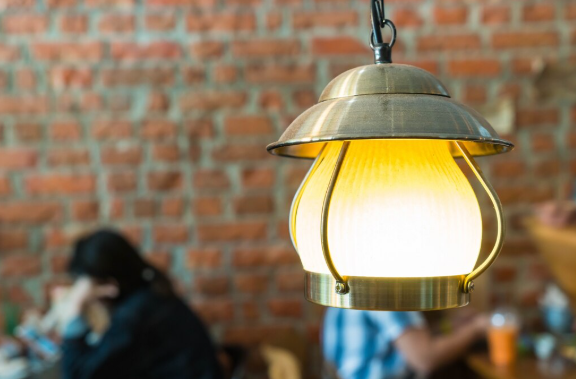
A dome pendant light is a stylish and practical lighting fixture that can instantly improve the look and functionality of a room. With its curved, bowl-shaped shade, this type of pendant directs light downward while creating a strong visual focal point. Dome pendants are especially popular above kitchen islands, dining tables, breakfast counters, desks, entryways, and other areas where focused illumination is useful.
Today, dome pendant lights are available in many materials, colors, sizes, and design styles. You can find minimalist white fixtures, industrial black metal shades, elegant brass designs, woven rattan pendants, glass domes, and sculptural designer options. Retailers currently offer dome pendant fixtures ranging from compact lights for small spaces to oversized statement pieces for large kitchens and dining rooms.
Whether you are remodeling your home or simply replacing an outdated ceiling fixture, understanding how dome pendant lighting works can help you choose the right design.
What Is a Dome Pendant Light?
A dome pendant light is a hanging ceiling fixture featuring a rounded or bowl-shaped shade. The fixture is suspended from the ceiling using a cord, chain, rod, or adjustable suspension system.
Unlike globe-shaped pendant lights, which distribute light in multiple directions, a traditional dome shade generally directs more illumination downward. This makes the design particularly useful for areas where you want concentrated light over a particular surface.
The curved shape also gives the fixture a decorative quality. Depending on the material and finish, a dome pendant can look modern, farmhouse-inspired, industrial, Scandinavian, vintage, or contemporary.
Many current lighting collections specifically categorize dome pendants by diameter, finish, material, light source, and style, making it easier to find a fixture suited to a particular room.
Why Choose a Dome Pendant Light?
There are several reasons homeowners and interior designers use dome pendant lighting.
1. Focused Downward Lighting
One of the biggest advantages is the direction of the light. The dome shade helps concentrate illumination below the fixture.
This can make a dome pendant particularly useful over:
- Kitchen islands
- Dining tables
- Breakfast bars
- Work desks
- Reading areas
- Entryway tables
- Kitchen sinks
The shape can help reduce direct glare from the bulb while directing light toward the area where it is needed.
2. Strong Decorative Appeal
A pendant light does more than illuminate a room. It can become part of the room’s overall design.
A large black dome can create an industrial appearance, while a white dome can give a room a cleaner and lighter feeling. Brass and bronze finishes can introduce warmth, while woven materials can add natural texture.
3. Works With Many Interior Styles
Dome pendant lights are remarkably versatile. They can complement:
- Modern interiors
- Contemporary homes
- Farmhouse kitchens
- Industrial spaces
- Scandinavian designs
- Japandi interiors
- Coastal rooms
- Traditional dining rooms
- Minimalist spaces
The same basic shape can therefore work in very different homes simply by changing the material, finish, size, and suspension style.
Popular Dome Pendant Light Styles
Choosing the right style is easier when you understand the most common options.
Black Dome Pendant Light
Black dome pendants are a popular choice for modern and industrial interiors. A matte black finish can create contrast against white cabinets, light wood, marble, or neutral walls.
Black fixtures can also coordinate easily with black cabinet hardware, faucets, window frames, or furniture.
White Dome Pendant Light
White dome lighting is ideal for bright, clean interiors. It can blend into a light-colored ceiling or provide a subtle contrast against darker surroundings.
White metal and ceramic-style designs are particularly suitable for minimalist, Scandinavian, and modern kitchens.
Brass Dome Pendant Light
Brass introduces warmth and a more decorative appearance. Depending on the finish, it can work in contemporary, transitional, vintage, or traditional interiors.
Brushed brass tends to appear softer than highly polished brass, while antique finishes can create a more traditional appearance.
Glass Dome Pendant Light
Glass dome pendants can create a lighter visual effect than solid metal shades. Clear glass allows the bulb to remain visible, while frosted or opaque glass can provide a softer appearance.
When selecting glass, consider whether you want the bulb itself to be part of the design.
Woven or Natural Dome Pendant
Rattan, wicker, bamboo, and other natural materials can introduce texture and warmth. These fixtures are particularly useful in coastal, boho, farmhouse, and Japandi-inspired spaces. Natural-texture dome designs have also remained a notable lighting trend in recent design guides.
Best Places to Use a Dome Pendant Light
A dome pendant can be used throughout the home, but some locations are especially suitable.
Kitchen Island
The kitchen island is one of the most popular locations.
A dome pendant can provide focused light over food-preparation and seating areas while also creating a visual centerpiece.
For a larger island, homeowners may use two or three smaller pendants rather than one oversized fixture.
Dining Room
A dome pendant above a dining table can help define the dining zone and create a comfortable atmosphere.
The fixture should be appropriately scaled to the table so that it feels intentional rather than oversized or lost within the room.
Bedroom
A smaller dome pendant can be used beside a bed, especially where you want to replace a traditional table lamp.
It can also work above a small reading chair or occasional table.
Home Office
A dome pendant above a desk can provide focused overhead lighting. However, it should be positioned carefully to avoid reflections on monitors and excessive glare.
Entryway
An entryway pendant can provide both practical illumination and a strong first impression.
Large dome fixtures can work particularly well in rooms with higher ceilings.
How to Choose the Right Size
Size is one of the most important factors when buying a dome pendant light.
A fixture that is too small can disappear visually, while one that is too large can overwhelm a table or island.
A useful starting point is to consider the dimensions of the furniture underneath the pendant. Some lighting guides recommend selecting a pendant diameter that represents roughly one-third to one-half of the width of a dining table, depending on the room and fixture design.
For kitchen islands, the fixture should also leave enough usable space around multiple pendants if more than one light is being installed.
Single Pendant vs. Multiple Pendants
A single large dome can make a strong statement over a dining table or island.
Multiple smaller pendants can provide more even coverage and may be better suited to long islands.
For example:
| Space | Possible approach |
|---|---|
| Small breakfast table | One small dome |
| Medium dining table | One medium dome |
| Large dining table | One large or multiple smaller domes |
| Small kitchen island | One medium pendant |
| Long kitchen island | Two or three smaller pendants |
| Large open kitchen | Multiple coordinated fixtures |
These are starting points rather than strict rules because ceiling height, fixture shape, furniture dimensions, and personal preference also matter.
How High Should a Dome Pendant Hang?
Hanging height is just as important as diameter.
For a kitchen island, a common design guideline is to leave approximately 28–36 inches between the countertop and the bottom of the pendant. One current dome-lighting guide gives a similar range for kitchen work surfaces.
Dining tables can use a somewhat lower installation depending on the room and fixture design. Some lighting guides recommend approximately 24–28 inches above the tabletop.
The exact height should also account for the people using the space. You want the pendant to provide useful illumination without obstructing conversation or creating a head-height hazard.
For rooms with low ceilings, consider a shallow dome or shorter suspension system.
Choosing the Right Material
The material affects both appearance and light distribution.
Metal
Metal dome shades are durable and provide strong downward direction. They are available in finishes such as black, white, brass, bronze, nickel, and other colors.
Glass
Glass produces a lighter visual appearance and can allow more light to escape depending on the shade design.
Ceramic
Ceramic dome pendants can create a handcrafted or high-end appearance and work well in kitchens, dining rooms, and bedrooms.
Rattan and Woven Materials
Natural woven shades add texture and can produce interesting shadows when illuminated.
Aluminum
Aluminum is commonly used for modern dome fixtures. Some architectural lighting manufacturers use spun or hand-formed aluminum housings combined with LED technology.
Integrated LED vs. Replaceable Bulbs
When shopping for a dome pendant light, consider its light source.
Integrated LED
Integrated LED fixtures have the light source built into the fixture.
Advantages can include:
- Clean appearance
- Energy-efficient LED technology
- No traditional bulb to replace
- Slim fixture designs
However, you should check how the fixture is serviced or replaced if the LED system eventually fails.
Replaceable Bulb
Traditional bulb-based pendants allow you to replace the bulb separately.
This provides flexibility because you can select different bulb styles, brightness levels, and color temperatures.
If you prefer decorative filament bulbs, a dome fixture with an exposed bulb may be particularly attractive.
Choosing the Right Finish
The finish should coordinate with the rest of your room without requiring every metal element to match perfectly.
For example, a black dome pendant can coordinate with black cabinet handles and appliances.
A brass pendant may complement brass faucets or hardware, while a white pendant can blend with light cabinetry.
You can also intentionally mix finishes. The key is to create visual consistency through color, shape, or repeated accents.
Dome Pendant Light for a Modern Kitchen
A dome pendant is especially effective in a modern kitchen because it combines simple geometry with practical illumination.
For a minimalist kitchen, consider:
- Matte white dome
- Matte black dome
- Simple brass pendant
- Neutral ceramic fixture
- Slim suspension cord
For a more dramatic kitchen, an oversized pendant can become a focal point above the island.
If using multiple fixtures, keep the pendants consistent in finish and style for a coordinated appearance.
Using Dimmers With Dome Pendants
A dimmer can make pendant lighting more versatile.
Bright illumination may be useful when cooking or working, while lower lighting can create a more relaxed atmosphere during dinner or entertaining.
Before installing a dimmer, verify that the fixture and bulb are compatible with dimming. Integrated LED fixtures may require a compatible dimmer specified by the manufacturer.
Lighting designers commonly recommend layering pendant lighting with other sources rather than relying on a single fixture for an entire room. Additional sources can include under-cabinet lights, recessed lights, sconces, floor lamps, and table lamps.
Common Dome Pendant Light Buying Mistakes
Choosing a Fixture That Is Too Small
A small pendant over a large island may not provide enough visual impact or adequate coverage.
Ignoring Ceiling Height
A long hanging fixture can become impractical in a room with a low ceiling.
Using Too Many Pendants
Multiple fixtures can look excellent, but overcrowding the ceiling can make the kitchen or dining area feel busy.
Forgetting the Bulb
The bulb affects both brightness and appearance. Always check bulb compatibility, wattage, color temperature, and whether the fixture is dimmable.
Focusing Only on Appearance
A beautiful pendant may not provide the right amount or direction of light for your particular task.
How to Maintain a Dome Pendant Light
Maintenance depends on the material.
For metal fixtures, regularly remove dust with a soft microfiber cloth. Follow the manufacturer’s instructions before using cleaning products.
Glass shades may need occasional cleaning to remove fingerprints and dust.
Woven shades should generally be dusted gently rather than saturated with water.
Always turn off power before cleaning a light fixture and follow appropriate electrical safety procedures.
Is a Dome Pendant Light Right for Your Home?
A dome pendant light can be a practical choice if you want a fixture that combines decorative appeal with focused illumination.
It is particularly useful when you want to visually define a kitchen island, dining table, desk, or other specific area.
Before purchasing, consider five main factors:
- Size – Make sure the diameter suits the furniture and room.
- Height – Install it at a comfortable and practical level.
- Material – Select a finish that complements the interior.
- Light source – Decide between integrated LED and replaceable bulbs.
- Lighting function – Determine whether you need task, ambient, or layered lighting.
Dome pendant lights are available in an enormous variety of designs, from affordable everyday fixtures to high-end architectural pieces. Current retailers show options across many finishes, sizes, and styles, so comparing dimensions and specifications before buying is important.
Final Thoughts
A dome pendant light can transform an ordinary room into a more intentional and visually interesting space. Its curved shade provides a distinctive silhouette while directing light toward tables, counters, islands, desks, and other useful areas.
The best fixture depends on your room size, ceiling height, furniture dimensions, interior style, and lighting requirements. Black and metal domes work well in industrial and modern spaces, white and ceramic options can complement minimalist interiors, and natural woven designs add warmth and texture.
Whether you are updating a kitchen, dining room, bedroom, office, or entryway, choosing the right dome pendant involves balancing style, scale, placement, and lighting performance.
Frequently Asked Questions About Dome Pendant Light
1. What is a dome pendant light?
A dome pendant light is a hanging ceiling fixture with a curved, dome-shaped shade. The shape generally directs light downward, making it useful for kitchen islands, dining tables, desks, and other task areas.
2. Are dome pendant lights good for kitchen islands?
Yes. Their downward-focused light makes dome pendants particularly suitable for kitchen islands and countertops. They can be installed individually or in groups depending on island size.
3. How high should a dome pendant light be above a kitchen island?
A common starting point is approximately 28–36 inches between the countertop and the bottom of the pendant. The final height should account for ceiling height, fixture size, and the people using the kitchen.
4. What size dome pendant should I buy?
The ideal size depends on the dimensions of the table or island and the room. A larger surface can generally accommodate a larger pendant, while smaller spaces often benefit from compact fixtures.
5. Are black dome pendant lights still popular?
Black dome pendants remain widely available and are frequently used in modern, industrial, farmhouse, and contemporary interiors. Their dark finish can create strong contrast against lighter cabinets and walls.
6. Can I use a dome pendant light over a dining table?
Yes. A dome pendant can serve as both functional lighting and a decorative centerpiece above a dining table.
7. Are dome pendant lights suitable for low ceilings?
They can be, provided you choose a shallow fixture with an appropriate suspension length. Semi-flush or short-drop designs may work better in rooms with limited ceiling height.
8. Should I choose LED or a replaceable bulb?
Both options have advantages. Integrated LED fixtures offer a streamlined design, while replaceable-bulb fixtures provide more flexibility when choosing brightness and bulb appearance.
9. Can dome pendant lights be dimmed?
Many can, but dimming depends on the fixture and bulb. Check the manufacturer’s specifications to confirm dimmer compatibility before installation.
10. How do I clean a dome pendant light?
Turn off the power before cleaning. Use a soft, dry or slightly damp cloth according to the manufacturer’s instructions. Glass, metal, and woven shades may require different cleaning methods.
11. Can I use multiple dome pendant lights together?
Yes. Two or three smaller dome pendants can work especially well over a long kitchen island or large dining table. Keep spacing relatively consistent for a balanced appearance.
12. What interior styles work with dome pendant lights?
Dome pendants can complement modern, contemporary, industrial, farmhouse, Scandinavian, coastal, Japandi, minimalist, and traditional interiors. The material and finish largely determine the overall style.
